Logo
Get Estimate

High-Efficiency Washer Repair in Washington

We get efficient washers draining, spinning, and washing again.


High-Efficiency Washer Repair in Washington helps homeowners and property managers get a dependable laundry routine back when an efficient washer stops draining, spinning, filling, or starting. We diagnose the cause on your machine, explain the repair, and test the cycle before we leave. Our HE washing machine repair in Washington covers front-load and top-load models, from a door-lock fault to a drain pump obstruction.

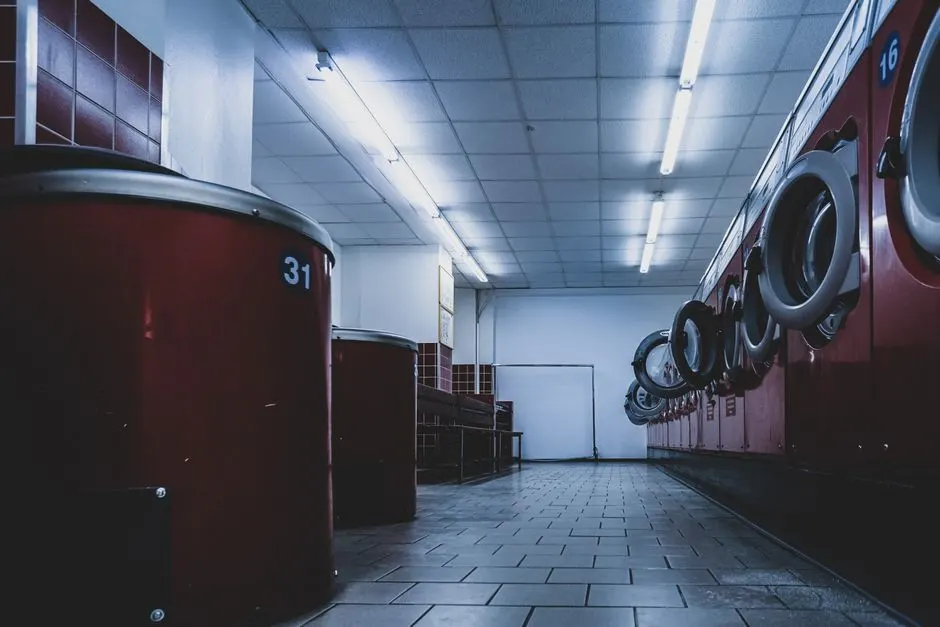
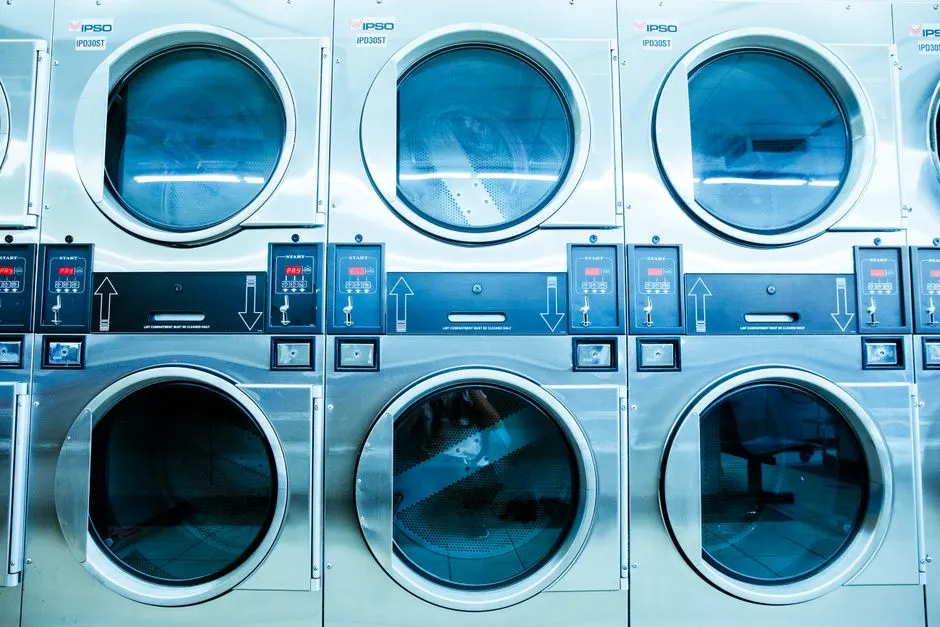
A row of modern washing machines in a launderette, showcasing contemporary laundry technology.
Licensed Licensed & Bonded
Fully Insured Insured & Bonded
24/7 Emergency Same-Day Response
Warranty Backed Workmanship Guaranteed

What's Included in the Repair Visit

A repair visit covers diagnosis of the reported washer fault, inspection of the related parts, and functional testing after the approved repair. We explain the issue and price before starting. Replacement parts, complex disassembly, or work requiring separate licensed electrical or plumbing contracting are addressed according to the specific job and applicable requirements.

Symptom-Based Diagnosis

We review the washer's displayed code and operating symptoms, then test the parts connected to the failure. Checks may include drainage, fill, spin, door-lock operation, or control response. You get a clear explanation of the finding before repair work starts.

Related Component Inspection

We inspect the parts that could contribute to the complaint, such as a drain hose, pump path, inlet connection, or door seal. This helps separate a single failed component from a blocked line, loose connection, or installation issue that would otherwise cause the problem to return.

Targeted Repair Work

After you approve the repair, we correct the fault using the appropriate service procedure and replacement component when needed. We keep the work tied to the diagnosed problem rather than adding unrelated maintenance or replacing parts that test correctly.

Functional Cycle Test

We test the operation connected to the repair, such as filling, draining, or spinning, and check for leaks and abnormal movement. The final test helps confirm that the original symptom has been addressed and gives you a chance to see the washer operating again.

Care Guidance

Before leaving, we explain how to reduce repeat trouble based on the repair, including load balance, hose placement, or cleaning practices. Advice is specific to your washer and symptom, not a generic checklist that ignores the cause we found.

High-Efficiency Washer Repair in Washington


High-Efficiency Washer Repair in Washington is an appliance repair service that diagnoses and corrects mechanical, water-flow, and control faults in efficient washing machines. We inspect the symptom, read stored faults through a washer diagnostic interface, and test the parts involved rather than replacing components by guesswork. Depending on the failure, work can include clearing a drain pump obstruction, replacing a worn water inlet valve, securing a leaking hose, or correcting excessive vibration. We confirm the repair with a test cycle and check for leaks, drainage, and stable spin operation.

Washington homes put washers through varied demands: winter laundry piles up, damp rooms can worsen gasket mildew, and rural or island properties may have different access and water conditions than dense apartment buildings. A washer that will not drain in Washington needs a check of the filter path, drain hose, and pump before the motor is blamed. Our Washington high-efficiency washer repair addresses error codes, door-lock failures, unbalanced loads, and intermittent filling, including same-day high-efficiency washer repair in Washington when scheduling and parts allow.

What Happens During Your Visit

Our process keeps the repair focused: we begin with your symptoms, test the washer, complete the approved work, and verify the cycle. You see what we find and what the repair changes.

01

Schedule

Call or book online — a real human picks up and confirms a 2-hour arrival window.

02

Diagnose

Licensed tech inspects on-site, then walks you through the cause and your options.

03

Fix

The job is completed to code and done right the first time — no shortcuts, no surprises.

04

Guarantee

Every job backed by a written workmanship warranty — and we stand behind it.

Tools and Repair Methods

Tools & Equipment

Washer diagnostic interface

We use the model-compatible interface to review stored faults and service tests. It helps narrow the checks needed for a control, lock, fill, or drainage complaint without treating a code as automatic proof of a failed part.

Digital multimeter

A digital multimeter checks electrical continuity and component circuits during diagnosis. We use readings alongside the washer's symptoms and service information to determine whether a tested electrical part is functioning.

Clamp meter

A clamp meter measures current draw without disconnecting a conductor, where the test procedure allows it. That can help assess a motor or pump circuit during operation and distinguish an electrical load issue from a mechanical restriction.

Nut drivers and socket set

These tools provide controlled access to washer panels and fasteners during inspection and repair. The correct fit reduces the risk of stripping hardware while reaching pumps, locks, or other serviceable components.

Torpedo level

We use a torpedo level to check the washer cabinet and adjust its feet when the machine rocks or moves during spin. A stable, level setup is a basic check before diagnosing more costly suspension damage.

Wet/dry vacuum

A wet/dry vacuum can help remove residual water from a tub or work area when appropriate to the repair. Clearing standing water supports safer access and makes it easier to test the drainage path after service.

Methods & Standards

Fault-Code Guided Testing

We record the displayed code, consult model-specific service information, and test the component or circuit named by the diagnostic path. The code directs the investigation; it does not replace hands-on checks. We clear and retest only after addressing the underlying fault.

Water-Path Isolation

For filling or drainage complaints, we follow water through the inlet, tub, pump, and drain route. We look for restricted flow, loose hose connections, and failed valves or pumps. A cycle test then confirms that water enters and leaves at the required stage.

Controlled Spin Verification

We check load balance and cabinet leveling before assessing suspension or drive concerns. After correcting the identified cause, we run an appropriate spin test and observe movement and sound. This distinguishes a setup issue from a component problem that needs repair.

Post-Repair Leak Check

We inspect the affected connection or seal, then observe the washer during fill and drain. Checking under operating conditions helps reveal a leak that would not appear while the machine is idle. We leave the area dry and explain any care steps tied to the repair.

When to Book a Repair Visit

01

Your efficient washer stops draining before spin and leaves a full load sitting in water.

What we do: We inspect the drain hose and pump path, check the pump's operation, and identify whether an obstruction or failed component is stopping flow. We remove an accessible blockage where possible, then run a drain-and-spin test to confirm the washer empties and advances through the cycle.

→ You know whether the fault was a restriction or a failed part, and the washer is tested before you reload it. That avoids repeated starts that leave the same water behind.

02

A front-load washer leaks at the door after a damp winter laundry stretch.

What we do: We examine the gasket folds for damage, residue, and mildew, then check the door latch and nearby hose connections. We run a controlled fill to see where water escapes. If the seal or another component has failed, we explain the repair and verify the area stays dry.

→ You get the leak source identified rather than repeatedly wiping the floor. The final check confirms whether the door area remains dry during operation.

03

The machine bangs during spin even after you redistribute the clothes.

What we do: We check leveling, floor contact, load behavior, and suspension components. A torpedo level helps identify a cabinet that is out of level; a suspension inspection checks for worn support parts. We then run a spin test to assess movement under load conditions.

→ The repair targets the cause of the vibration, not just the latest unbalanced load. You can resume normal cycles with less movement and reduced stress on nearby connections.

04

An error code returns after a reset and the washer will not start reliably.

What we do: We record the code and test the related lock, sensor, or control circuit using model-specific procedures. A washer diagnostic interface provides fault information, while electrical tests help confirm which component is responsible. We complete the repair and retest the start sequence.

→ You get a diagnosis based on the machine's test results, not a guess based on the code alone. The final start test confirms the washer responds as expected.

How We Work Across Washington

High-Efficiency Washer Repair in Washington must account for more than the appliance: access, laundry-room layout, seasonal temperatures, and water conditions vary across a large state. In coastal communities such as Bremerton and Oak Harbor, damp laundry spaces can make gasket residue and musty odor more noticeable. Inland winter cold can affect exposed supply lines in garages or utility rooms, so we check hose condition and shutoff access when a fill problem appears. In apartments and compact laundry closets, we protect nearby finishes and confirm the washer can be pulled out safely for service. For HE washing machine repair in Washington, we ask about the building setup, model, and symptom before the visit. If the machine will not drain, we inspect the pump path and hose routing; if it leaks, we test during fill and drain. Same-day high-efficiency washer repair in Washington is available when route capacity and the needed part align. We follow applicable Washington State electrical contractor licensing requirements when electrical contracting work is performed and plumbing contractor licensing requirements when plumbing contracting work is performed.

Neighborhoods We Serve

  • Bremerton

    Laundry rooms in older homes and multi-unit buildings can have tight access or long drain runs. We check hose routing and safe appliance clearance before opening service panels.

  • Spokane Valley

    Cold-season laundry areas in garages or utility spaces call for a close look at exposed hoses and supply connections when a washer fills slowly or leaks.

  • Pullman

    Rental and student housing can see frequent, mixed-size loads. We check load balance and spin behavior as well as the washer's mechanical condition.

  • Oak Harbor

    Coastal moisture can make residue and gasket odor more apparent. We inspect door-seal folds and confirm the leak source rather than assuming the gasket is at fault.

Local Conditions We Plan For

  • Cold snaps affect washers in unheated utility spaces.

    Exposed inlet hoses and nearby plumbing can be vulnerable during freezing conditions. We check for visible damage and restricted flow, and we ask whether the washer is in a garage, outbuilding, or other unheated space before testing.

  • Damp coastal rooms can retain washer odors.

    Moisture and detergent residue can collect in gasket folds and dispensers, especially when the door stays closed between loads. We inspect the seal and explain cleaning practices suited to the fault found.

  • Compact laundry closets limit appliance access.

    Closet doors, stacked units, and narrow clearances can affect how panels are reached and how the washer is safely moved. We account for access during diagnosis and take care around flooring, trim, and water connections.

Drain Pump Obstruction Cleared

Before

A front-load washer stopped after rinse and left about 2 inches of water in the drum. The display showed a drainage fault, but resetting the machine did not help. Laundry stayed wet, and another cycle only repeated the same stop. The owner needed the drain path checked before deciding whether the pump had failed.

After

We inspected the accessible drain path, found a small obstruction, and cleared it without replacing a working pump. The washer drained during the test and completed a drain-and-spin sequence in about 12 minutes. We checked the hose connection for seepage and confirmed the drum was empty before handing the machine back.

Maintenance: Check pockets before loading and use the model's recommended cleaning routine. If water remains after a cycle, stop repeated resets and note the displayed code. Early attention helps distinguish a new blockage from a pump that has stopped moving water.

Before

Water appeared at the front of a washer during the wash stage, leaving a damp strip across the laundry-room floor. The owner suspected a loose drain hose, but the moisture showed up before the machine began draining. A leak source needed to be confirmed while the washer was operating.

After

We found damage at the rubber door gasket, replaced the affected seal, and checked that the door closed evenly. A controlled fill and rinse test ran for roughly 20 minutes without water escaping at the door. We also checked the nearby floor and hose connections before finishing.

Maintenance: Wipe the gasket folds after heavily soiled loads and remove trapped debris from the seal. Leave the door ajar between cycles when the room allows it. If a fresh puddle appears, note the cycle stage; timing helps locate the leak.

Before

A top-load washer shook during spin and shifted several inches from its usual position. The owner had already reduced load size, but the vibration continued. The machine needed a stability check to separate an uneven floor or leveling problem from worn suspension parts.

After

We checked cabinet level and support, corrected the washer's footing, and inspected the suspension for damage. On the follow-up spin test, the machine remained in place and completed the cycle without the previous banging. The final check took about 15 minutes after the adjustment and inspection.

Maintenance: Keep loads balanced and avoid packing the basket tightly with a single heavy item. Recheck that the washer feet remain firmly planted after moving the appliance. If banging returns with a balanced load, arrange an inspection before continued high-speed spinning.

Fixes for Common HE Washer Faults

A small washer symptom can point to several different failures, so we test the system before choosing a repair. High-Efficiency Washer Repair in Washington addresses drainage, filling, leaks, vibration, and control faults with checks tied to the machine's actual behavior. Catching the cause early can prevent repeat cycles and water damage.

Problem

Washer stops with water pooled in the drum after rinse.

Standing water leaves laundry soaked, delays the next load, and can produce a stale odor if it remains in the tub. Repeated restarts can strain a weak pump.

Our Fix

We inspect the drain path, accessible pump area, and hose routing, then test pump operation. If debris blocks flow, we clear the accessible obstruction; if testing identifies pump failure, we explain the repair and verify a full drain sequence afterward.

Problem

Water leaks from the door area during a front-load cycle.

A small leak can spread beneath flooring or cabinets and damage finishes before it becomes obvious. Continued use can also worsen gasket wear or leave residue in the seal folds.

Our Fix

We inspect the rubber door gasket for tears, trapped debris, and mildew-related damage, then check the door closure and water level behavior. We also examine nearby connections to rule out a leak tracking forward from a hose. After the repair, we run a controlled fill and check the door area.

Problem

Washer shakes, bangs, or walks during high-speed spin.

Excessive movement can loosen connections, mark walls, and increase stress on the washer's suspension. A repeated unbalanced load can also prevent the cycle from finishing properly.

Our Fix

We confirm the machine is level, review load balance, and inspect suspension rods or shock absorbers when symptoms point to wear. We test a spin cycle after correcting the cause, so you can see whether the cabinet remains stable under operating conditions.

Problem

Washer fills slowly or refuses to start a cycle.

A restricted fill, failed inlet component, or door-lock fault can leave laundry waiting and cause repeated attempts that do not solve the problem. Error codes may return until the failed circuit is corrected.

Our Fix

We test the water inlet valve and relevant connections for a fill complaint, or check lock operation and control response when the washer will not start. The code guides the diagnosis, but component testing confirms the repair. We finish by checking the affected cycle stage.

Repairs That Restore Daily Laundry

Repairs That Restore Daily Laundry

A properly diagnosed repair gets your machine back to its intended wash and spin performance without unnecessary part swaps. We identify the fault, show you what failed, and verify the result under normal operating conditions.

  • Accurate Fault Diagnosis

    We use the symptom, stored fault information, and hands-on testing to narrow down the cause before recommending a repair. A washer that stops mid-cycle could have a drain restriction, door-lock problem, or control fault; checking the relevant circuit and water path prevents a needless part change and gives you a clear repair plan.

  • Less Water Left Behind

    A washer that drains fully reduces standing water, repeat rinse cycles, and the chance of a musty tub. We inspect the drain hose and pump path, clear accessible obstructions, and run a drain-and-spin test. If a pump has failed, we confirm that finding before fitting the correct replacement.

  • Stable, Quieter Spin

    Excessive movement can come from an uneven floor, an unbalanced load, worn suspension rods, or damaged shock absorbers. We level-check the machine and inspect the suspension before deciding what needs correction. Restoring a stable spin helps protect the washer cabinet, nearby walls, and the floor beneath it.

  • Careful Water-Leak Checks

    We trace water at the source instead of treating every puddle as a door-seal failure. The inspection includes the rubber door gasket and accessible inlet and drain connections, followed by a controlled fill and drain test. That helps stop recurring floor damage and separates a simple hose issue from a component leak.

Training and Safety Standards

Licensed & Certified

  • Manufacturer-Specific Appliance Service Training — issued by Appliance manufacturers and authorized training providers
  • OSHA Workplace Safety Training — issued by Occupational Safety and Health Administration
  • EPA Section 608 Certification when regulated refrigerant handling applies — issued by U.S. Environmental Protection Agency
  • Washington State electrical contractor licensing when electrical contracting work is performed — issued by Washington State Department of Labor & Industries

Verified Reviews

Customer feedback Not stated

The washer stopped draining with a full load inside. The technician checked the pump path, found an obstruction, and ran a drain test after clearing it. The explanation was straightforward, and the floor was left dry. I appreciated that the pump was tested before anyone suggested replacing it.

Customer feedback Not stated

Our front-load washer leaked near the door, and we were worried the floor had been damaged. The technician checked the gasket and connections, repaired the source, then watched a rinse cycle. No water appeared during the test, and we received clear advice on keeping the seal clean.

Customer feedback Not stated

The washer kept showing a fault and would not start. The technician used the model information to check the lock rather than guessing from the code. After the repair, the machine filled and began its cycle normally. The visit was focused and the result was easy to confirm.

Technical Skill, Applied Carefully

Efficient washers combine water-flow controls, electronic sensing, door locks, pumps, and high-speed spin systems in a compact cabinet. Our technicians use manufacturer-specific appliance service training and model-appropriate diagnostic procedures to isolate faults without guessing. We work on common household lines including Whirlpool, Maytag, GE Appliances, LG, Samsung, Electrolux, Frigidaire, Bosch, Speed Queen, and Amana. We follow OSHA workplace safety training practices, observe UL appliance safety standards, and apply ENERGY STAR efficiency specifications when advising on operation. EPA Section 608 certification is relevant to technicians handling regulated refrigerants when applicable; it is not a washer-repair credential.

  • We use a washer diagnostic interface to retrieve model-specific fault information and verify that a code clears after the repair.
  • A digital multimeter helps check electrical continuity at the tested component instead of relying on a symptom alone.
  • We inspect pump flow, hose routing, door-lock operation, and machine leveling as connected parts of one system.
  • Our technicians receive manufacturer-specific appliance service training for troubleshooting current washer designs and controls.
  • When electrical or plumbing contracting work is required, applicable Washington State licensing rules govern who performs that work.
Get Started Today
Technical Skill, Applied Carefully

Cities We Serve Across Washington

We provide High-Efficiency Washer Repair across Washington, with service planned for communities from coastal neighborhoods to inland cities. Our coverage includes Bremerton, Spokane Valley, South Hill, Lake Stevens, Pullman, Oak Harbor, Bonney Lake, Silverdale, Camano, Bothell East, Newcastle, Prairie Ridge, Mount Vista, DuPont, and Barberton. Washington high-efficiency washer repair is adapted to the appliance, home layout, and reported fault in each location. Share your city and washer details when booking so we can prepare for the right inspection and service route.
Bremerton

We inspect drain flow, hose connections, and washer access in Bremerton homes, then test the affected cycle so you can confirm the unit drains or fills correctly.

Spokane Valley

For Spokane Valley customers, we check washer symptoms alongside exposed utility-room connections, especially when cold weather coincides with slow filling or a leak.

South Hill

Our South Hill visits cover common efficient-washer faults such as vibration, door-lock errors, and standing water, with a cycle test after the repair.

Lake Stevens

In Lake Stevens, we trace leaks and drainage faults to their source, checking the door seal and accessible hose path before recommending parts.

Pullman

We help Pullman households and rental properties with fill, spin, and startup problems, using model-specific diagnosis to avoid unnecessary component replacement.

Oak Harbor

Oak Harbor service includes checks for door-gasket wear, residue, drainage, and leaks, followed by an operating test to confirm the repair.

Bonney Lake

For Bonney Lake washers that shake or stop mid-cycle, we inspect leveling, load behavior, and the relevant mechanical or control components.

Silverdale

We diagnose Silverdale washer leaks and odor complaints by checking the seal, water path, and cycle behavior rather than assuming one cause.

Camano

Camano customers can book diagnosis for efficient washers that will not drain, fill, or spin; we test the affected function before closing the visit.

Bothell East

In Bothell East, we work through error codes, door-lock faults, and intermittent starts with checks matched to the machine's brand and model.

Newcastle

Our Newcastle service focuses on locating the cause of leaks, vibration, or slow drainage and verifying the washer's operation after repair.

Prairie Ridge

We assess Prairie Ridge washers for pump obstructions, unbalanced spin, and water-flow faults, then run the relevant cycle to confirm the result.

Mount Vista

Mount Vista service includes efficient-washer diagnosis for fill failures and recurring codes, with component testing before a repair is recommended.

DuPont

We inspect DuPont washers for leaking connections, drainage trouble, and cycle interruptions, taking care with compact laundry-room access.

Barberton

In Barberton, we identify the source of washer noise, vibration, or standing water and check the repair under normal cycle conditions.

High-Efficiency Washer Repair Questions

Real answers to the questions we hear most often from local homeowners and property managers.

How much does high-efficiency washer repair cost in Washington?
Most standard repairs fall between $150 and $850 in 2026, with the final price driven by diagnosis, parts, access, and labor. A hose correction or accessible blockage costs less than a failed control or pump that requires substantial disassembly. We explain the fault and price before starting work. The visit includes testing related to the reported symptom and a post-repair cycle check; special-order parts can affect timing.
Who repairs HE washing machines in Washington?
Appliance repair technicians trained to diagnose electronic controls, pumps, locks, and water-flow systems repair HE washing machines in Washington. Our team works on major brands and uses model-specific service information rather than treating every washer the same. For residential high-efficiency washing machine repair in Washington, share the brand, model number, symptoms, and any displayed code when booking. That gives us a useful starting point for the visit.
Can a Washington technician diagnose a high-efficiency washer error code?
Yes. We can read the displayed or stored code, compare it with the washer's service information, and test the related component. A code is a diagnostic clue, not proof that a particular part has failed. We check the associated circuit or water path, then run the relevant cycle after repair. Photograph the display before resetting the machine so we can work from the original fault.
How do I schedule HE washer repair in Washington?
Call +18665940052 and provide your city, washer brand and model, and the main symptom. We will arrange a service visit and use those details to prepare for HE washing machine repair service near me in Washington. If the washer is leaking, shut off its water supply when safe and avoid running another cycle. Keep the area around the appliance clear for inspection and testing.

More Washer Services

Washer Repair

A broader repair visit covers faults that are not limited to efficient models, including startup failures, leaks, spin problems, and unusual noise. If your household has more than one washer type, we can assess the affected unit and identify whether its issue needs a model-specific HE procedure.

View Washer Repair

Front-Load Washer Repair

Front-load machines rely on a sealed door, gasket, and precise locking sequence. We inspect water leaking from the door gasket, mildew-related seal problems, and door-lock faults, then test the machine through a suitable wash or rinse stage to confirm that the door seals and latches correctly.

View Front-Load Washer Repair

Top-Load Washer Repair

Top-load efficient washers can develop fill, lid-lock, balance, and drainage problems. We check the lid mechanism and load movement as well as the pump and controls. A targeted diagnosis helps separate an overloaded basket from a failed component before repair work begins.

View Top-Load Washer Repair

Washer Installation

Correct installation starts with secure inlet hoses, a properly routed drain hose, and a level machine. We check the setup to reduce vibration, siphoning, and leaks, then run a short test. This service is useful when replacing an older unit or moving an efficient washer to another laundry space.

View Washer Installation

Washer Replacement

When repair is not a sensible option, replacement planning considers the washer's condition, parts availability, and the cost of restoring reliable operation. We can diagnose the existing unit first, so you can compare an actual repair need with replacement rather than making the decision from a symptom alone.

View Washer Replacement

Washer Maintenance and Tune-Up

A maintenance visit checks hoses, leveling, accessible drainage, and common residue points before a small issue becomes a breakdown. We can also review detergent use and washer-cleaning tablets for your model. Regular checks are useful after a move or when vibration, odor, or slow drainage starts appearing.

View Washer Maintenance and Tune-Up

Get High-Efficiency Washer Repair in Washington

A washer that leaves water in the drum or leaks across the floor needs a clear diagnosis. Our technicians test the fault and verify the repair with a cycle check. Call +18665940052 to book service for your Washington home.

Call Now Book Service

Contact Our Team

Call +18665940052 to arrange washer or dryer service anywhere in Washington. Share your location, appliance brand, and the problem you are seeing; our team will help coordinate the next available service window. Phone support is available daily from 8:00 a.m. to 6:00 p.m., and you can email details or photos to [email protected].

Or call us right now at +18665940052 — we answer.

Washington Washer Repair


  • Phone

    +18665940052
  • Address

    Washington

  • Hours

    Mon–Fri: 7AM – 7PM
    Sat: 8AM – 4PM
    Sun: Emergency Only
    24/7 Emergency Available

Call +18665940052 Get Quote
Call Quote