Logo
Get Estimate

Washer Diagnostics in Washington: Find the Fault

Clear answers for a washer that stops, leaks, or stalls


Washer Diagnostics in Washington helps you find the cause of a washer that will not start, drain, spin, or fill before you pay for unnecessary parts. We inspect the machine, test its operation, and explain what the readings mean for homeowners and property managers across the state. Our washing machine troubleshooting in Washington is built around the symptoms you see and the model you own, so you can move from a frustrating cycle to a practical repair plan.

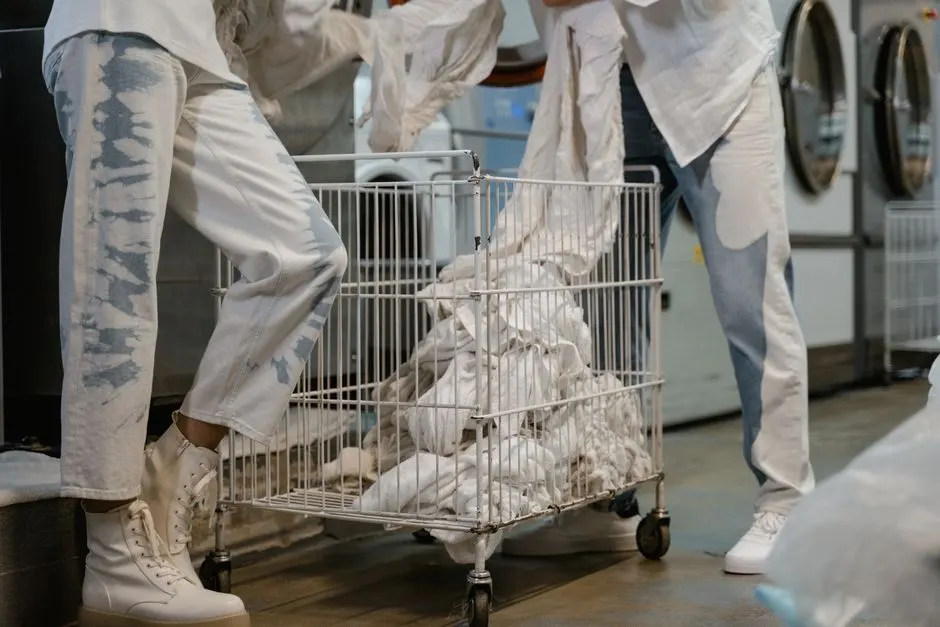
Two individuals loading laundry into washers at a self-service laundromat.
Licensed Licensed & Bonded
Fully Insured Insured & Bonded
24/7 Emergency Same-Day Response
Warranty Backed Workmanship Guaranteed

What Washer Diagnostics Includes

A diagnostic visit covers symptom review, a visual inspection, targeted testing, and an explanation of the findings. We check accessible components connected to the complaint and verify the relevant operating function when it is safe to do so. Parts, repair labor, major disassembly, and unrelated plumbing or electrical contracting are separate work approved by you after the diagnosis; we explain the applicable price before proceeding.

Symptom and Code Review

We record when the washer fails, what stage it reaches, and any displayed code or unusual sound. That timeline helps us select relevant checks and distinguish a one-time interruption from a fault that returns during every cycle.
Visible Condition Check

We inspect accessible hoses, connections, leveling, door or lid operation, and signs of water or residue. A flashlight helps us see around the machine without treating a visible mark as proof of the exact failure.

Targeted Component Testing

We test likely systems based on the evidence, such as drain function, fill response, lock operation, or electrical continuity where appropriate. The selected checks depend on the washer model and the reported symptom.

Findings and Repair Path

We explain the confirmed fault, parts that remain functional, and the repair that addresses the cause. You receive the information needed to compare repair with replacement, without pressure to approve additional work.

Washer Diagnostics in Washington, Explained


Washer Diagnostics in Washington is a home appliance inspection service that identifies mechanical, electrical, water-supply, and control faults when a washer performs poorly or stops working. We begin with the reported symptom, check the machine's cycle behavior, and test likely failure points rather than guessing from an error code alone. Depending on the model, we inspect the door or lid lock, drain path, inlet hoses, pump, and control response. You receive a clear explanation of the finding and the repair options before deciding what to do next.

Across Washington, washers sit in laundry closets, garages, utility rooms, and older homes with different venting, drainage, and water-pressure conditions. A cold, damp winter can make a slow leak or musty gasket odor more noticeable, while hard use in a busy household can expose a failing pump or worn suspension. Our washer error-code diagnosis Washington service pairs the code with physical checks, and professional washer diagnostics in Washington helps you avoid replacing a working component based on a symptom alone.

What Happens During a Visit

Washington washer diagnostics follows a practical sequence: symptom review, safe inspection, targeted testing, and a clear finding. We work around your laundry setup and explain each check before moving the appliance or running a test cycle.

01

Schedule

Call or book online — a real human picks up and confirms a 2-hour arrival window.

02

Diagnose

Licensed tech inspects on-site, then walks you through the cause and your options.

03

Fix

The job is completed to code and done right the first time — no shortcuts, no surprises.

04

Guarantee

Every job backed by a written workmanship warranty — and we stand behind it.

Tools and Test Methods

Tools & Equipment

Digital multimeter

We use a digital multimeter for appropriate voltage, resistance, and continuity checks at specified test points, helping distinguish an electrical fault from a mechanical or water-flow problem.

Washer diagnostic interface

On supported models, the interface retrieves stored faults and service information. We compare that data with observed operation because a stored code alone does not prove a specific part has failed.

Clamp meter

A clamp meter measures current on an accessible conductor without disconnecting it, when the manufacturer's test procedure calls for a current check during a washer function.

Inspection flashlight

An inspection flashlight helps us see hose connections, water trails, gasket condition, and tight cabinet spaces while keeping the washer and surrounding area in place when possible.

Nut drivers and socket set

We use nut drivers and a socket set to access service panels when testing requires it, selecting the correct fastener size and reassembling panels securely after inspection.

Methods & Standards

Symptom-to-test sequence

We start with the failure you observed, identify which cycle stage is affected, and select tests that can confirm or rule out likely causes. This keeps troubleshooting focused and reduces unnecessary disassembly. We record whether the symptom occurs during fill, agitation, drain, or spin so the next step follows evidence.

Controlled cycle verification

When safe, we operate the relevant washer function under observation. A short fill, drain, or spin check shows whether the reported fault returns and when it appears. We stop if water escape, electrical risk, or severe movement makes continued operation unsafe, then explain the finding and options.

Safety and standards review

We follow manufacturer procedures and applicable UL appliance safety standards while inspecting the machine. OSHA workplace safety training informs safe handling practices. EPA Section 608 certification applies to technicians handling regulated refrigerants when applicable; washer diagnostics ordinarily focuses on washer systems, not refrigerant service.

When to Schedule Washer Diagnostics

01

Your washer displays a code, stops mid-cycle, and repeats the same failure after a reset.

What we do: We record the code and the stage where the cycle stops, then test the related function using model-specific procedures. We check whether the code reflects a real component fault or a condition such as restricted drainage, poor fill, or an interrupted lock signal.

→ You get a cause tied to test results and a clear repair path, rather than repeated resets that leave the underlying failure unresolved.

02

A puddle appears beneath the washer after the first cold-weather laundry loads of November.

What we do: We inspect accessible inlet and drain connections, the door area, and the washer's cycle timing. If the leak is active, we help identify whether it is safe to run a controlled test or whether water should remain shut off until repair.

→ You learn where the water originates and what needs attention before repeated loads spread moisture across the laundry floor.

03

A rental property washer leaves tenants with wet clothes and a pump-like hum.

What we do: We verify the complaint, inspect the drain route, and test the machine's response during a drain command. We document the finding in plain language for the owner or manager and explain which repair restores normal use.

→ The property manager gets a specific diagnosis to act on, while tenants avoid repeated cycles that do not clear the drum.

04

A newly installed washer vibrates heavily even with a small, balanced load.

What we do: We check the machine's level and installation conditions, then observe how the washer behaves during spin. If leveling does not account for the movement, we investigate other likely causes and explain whether installation correction or repair is needed.

→ You know whether a setup adjustment can stabilize the machine or whether a mechanical fault requires further work.

How Diagnostics Works Across Washington

Washer diagnostics in Washington has to account for homes with different laundry layouts, water connections, and seasonal conditions. Western communities can have cool, damp stretches through November and winter, when a slow leak or musty gasket odor becomes easier to notice; eastern communities experience drier conditions and different household use patterns. We ask where the machine sits, how it is connected, and whether the problem follows a particular load or cycle. That context helps us plan access and interpret symptoms without assuming every home has the same setup. In compact apartments near Shoreline or Alderwood Manor, access around stacked units can affect the inspection sequence. In larger homes around Lake Tapps or Graham, laundry rooms may be farther from living areas, making a small leak less visible. Our washing machine diagnostic service Washington customers request focuses on the washer itself and its immediate connections. If electrical or plumbing contracting work is needed beyond appliance testing, the applicable Washington licensing requirements govern that work. We explain what the diagnostic result supports and what repair step follows, so you can protect the laundry area and restore normal cycles with fewer surprises.

Neighborhoods We Serve

  • Shoreline laundry closets

    Compact closets can limit access to the sides and rear of a washer. We plan the inspection around safe clearance and check visible hose routing before deciding whether the appliance must be moved.

  • Tumwater utility rooms

    Garages and utility rooms can expose washers to cooler winter conditions. We ask whether symptoms began during a cold spell and check for moisture or connections that could be affected by the setup.

  • Selah homes

    Laundry areas in Selah may be separated from frequently used rooms, so a slow leak can go unnoticed. We inspect for water trails and ask when the floor was last dry.

  • Mukilteo residences

    Closet and upper-floor laundry locations require attention to nearby finished surfaces. We identify the leak timing and inspect accessible connections before recommending further operation.

Local Conditions We Plan For

  • Cool, damp winter weather makes gasket odor and small leaks more noticeable

    A washer may develop visible condensation or lingering moisture around the door area, while a slow connection leak leaves a trail after repeated cycles. We separate environmental moisture from an active leak by checking timing, source, and whether the area gets wet during a controlled test.

  • Older laundry rooms have tight access and long drain connections

    Limited clearance can make a rear hose or drain connection difficult to see, and a long route can complicate slow drainage. We inspect what is accessible, note the setup, and explain when additional access is needed to confirm a suspected restriction.

  • Uneven floors can increase vibration during high-speed spin

    A washer that is not level may move or bang even when the load is balanced. We check the machine's position and observe the spin behavior, then distinguish an adjustment issue from a possible internal suspension or shock problem.

Drain Fault Found, Not Guessed

Before

A household in Marysville reported that the washer stopped with water in the drum after two consecutive loads. The display showed a drainage-related code, but the machine had drained normally the day before. Replacing the pump immediately would have been a guess because a restriction can produce similar symptoms.

After

We inspected the accessible drain path and found an obstruction rather than a failed pump. After the obstruction was cleared as approved, the washer completed a drain test in about 3 minutes and proceeded through a short spin check without retaining water. The customer had a defined result and did not pay for an unnecessary pump replacement.

Maintenance: Check pockets before loading and avoid pushing bulky items against the drain opening. If drainage slows again, note whether it happens with every load or only heavy items; that timing helps narrow the next inspection.

Before

A homeowner near Tumwater noticed a damp strip behind the washer but saw no water during the wash portion of the cycle. The appliance was moved only slightly, leaving the source unclear. Continuing normal loads risked spreading water beneath the flooring and into stored items.

After

We traced the moisture to an accessible hose connection that leaked during fill. After the approved correction, a controlled fill and rinse test ran for 15 minutes with no new water trail. The homeowner knew which connection had caused the problem and could use the laundry area again without relying on repeated towel checks.

Maintenance: Look behind the washer after the next few loads and keep the area clear enough to spot fresh moisture. Replace visibly damaged hoses and avoid pulling the appliance forward by its water lines.

Before

A family in Graham reported loud banging and a washer that shifted several inches during spin. They had reduced load size, but the movement continued with ordinary laundry. The concern was whether the noise meant the machine needed a major internal repair.

After

We checked the floor position and observed the spin behavior, identifying an installation-level issue as the main contributor. After correction, the washer completed two test spins without walking across the floor. The family received a practical explanation of the result and a clear threshold for calling again if the noise returned.

Maintenance: Keep the washer level and distribute bulky items rather than loading them on one side. Stop a cycle if severe banging returns; continued high-speed movement can stress the machine and nearby cabinets.

Solve Washer Faults Before They Spread

A washer that stalls, leaks, or vibrates can disrupt the whole laundry routine and put nearby flooring at risk. We use professional washer diagnostics in Washington to isolate the cause, explain the risk of continued use, and guide you toward a repair that matches the evidence.

Problem

Washer stops with water still inside the drum

Standing water can leave laundry soaked, create odor, and spill when the door or lid is opened. Repeated cycles may strain a pump that is already obstructed.

Our Fix

We inspect the accessible drain path and evaluate the pump's operation before recommending a repair. Our technician identifies whether an obstruction, hose restriction, or failed component is preventing drainage, then explains the proper next step and verifies the drain function after approved work.

Problem

Washer leaks only during part of a cycle

A leak during fill, wash, or spin points to different possible sources. Leaving it unexplored can allow water to reach flooring, trim, or cabinetry.

Our Fix

We note when water appears and inspect the corresponding area, including inlet connections, the drain route, and the door seal on front-load machines. A controlled test helps us track the source rather than tightening or replacing unrelated parts. We also advise whether the washer should remain off until repair.

Problem

Washer shakes hard or makes new spin noise

An unbalanced or unstable washer can walk across the floor, strike nearby cabinets, and make spin cycles disruptive. A recurring noise can also signal internal wear.

Our Fix

We check leveling, load behavior, and the symptoms that occur as the basket accelerates. We distinguish installation or balance issues from a component fault, then explain what correction is appropriate. If the machine is unstable, we recommend stopping high-speed cycles until the cause is addressed.

Problem

Washer will not start after door closes

A failed start interrupts laundry and can leave a load trapped inside. Repeatedly forcing the door or resetting power may not resolve a lock or control fault.

Our Fix

We check the power and control response, then evaluate the lid or door lock according to the washer design. This washer fault diagnosis Washington service separates a lock problem from a supply or control issue, giving you a specific repair direction instead of a sequence of guesses.

Know the Fault, Choose the Fix

Know the Fault, Choose the Fix

A useful diagnosis saves time by narrowing the problem to a tested cause. We tell you what failed, what still works, and whether the washer is safe to run while you plan the next step. You get practical information rather than a parts guess.

  • Avoid Guesswork Repairs

    We trace the symptom to a component or operating condition before recommending work. For example, a washer not draining can point to a blocked hose, a pump obstruction, or pump failure; checking the complete drain path keeps a simple blockage from being mistaken for a costly motor problem.

  • Protect Floors and Cabinets

    A small leak can spread under a washer before it appears at the front of the room. We check the water source, hose connections, and rubber door gasket, then run a controlled test when appropriate. That gives you a clearer next step before moisture damages flooring or nearby storage.

  • Understand Error Codes

    A displayed code is a clue, not a complete diagnosis. We compare the code with the washer's behavior and test the related circuit or component using model-appropriate procedures. You learn whether a reset is enough or whether the fault returns during a specific cycle stage.

  • Plan the Right Repair

    Our findings help you compare repair with replacement using the actual condition of the machine. We identify the failed part, note related wear, and explain what the repair should restore, such as a complete drain cycle or stable spin. You can make a decision with useful facts in hand.

Training and Standards

Licensed & Certified

  • EPA Section 608 certification for technicians handling regulated refrigerants when applicable — issued by U.S. Environmental Protection Agency
  • OSHA workplace safety training — issued by Occupational Safety and Health Administration training providers
  • Manufacturer-specific appliance service training — issued by Appliance manufacturers and authorized training programs
  • Washington State electrical contractor licensing when electrical contracting work is performed — issued by Washington State Department of Labor & Industries

Verified Reviews

Customer feedback Not stated

A customer with a washer that would not drain described how the technician checked the hose path and tested the pump before recommending parts. The explanation made the difference clear: an obstruction was present, but the pump still operated. The washer completed a test drain afterward, and the household avoided replacing a working component.

Customer feedback Not stated

A homeowner reported intermittent water near a front-load washer and appreciated that the technician ran a controlled cycle instead of guessing from the puddle. The leak was traced to a connection that only showed moisture during fill. The customer received a clear repair plan and knew when it was safe to use the washer again.

Customer feedback Not stated

A family dealing with heavy spin vibration said the visit focused on the actual machine behavior and laundry-room setup. The technician checked the level, observed the cycle, and explained the result without pushing an unnecessary major repair. After the adjustment, the washer finished spin without shifting across the floor.

Technical Skill, Practical Testing

We bring local experience to appliance troubleshooting across Washington, where homes range from compact laundry closets to detached utility rooms and shared residential facilities. Our technicians use model-specific procedures and manufacturer-specific appliance service training to interpret codes alongside observable behavior. We do not claim a set tenure or invent a job count; our focus is accurate testing, safe handling, and findings you can understand. When electrical contracting work is required, Washington State electrical contractor licensing applies; plumbing contracting work is handled under the relevant Washington State plumbing contractor licensing requirements.

  • We compare control-panel codes with cycle behavior instead of replacing parts from a code alone.
  • A digital multimeter supports targeted electrical checks when the manufacturer's procedure calls for them.
  • We inspect the drain pump and accessible hose path to separate obstruction from component failure.
  • For regulated refrigerant work when applicable, EPA Section 608 certification is required for technicians handling refrigerants.
  • We check installation and operation against applicable UL appliance safety standards and manufacturer instructions.
Get Started Today
Technical Skill, Practical Testing

Cities We Serve Across Washington

Our Washington coverage includes coastal communities, Puget Sound suburbs, mountain-adjacent towns, and eastern agricultural areas. We bring the same symptom-led inspection to each location while accounting for access, laundry-room layout, and the reported cycle behavior. Washington washer diagnostics is available in the cities below and nearby communities; tell us your washer model, the fault, and where the machine is installed when you call.

Marysville

We diagnose drain, fill, and spin problems in Marysville homes, checking the washer and accessible connections before recommending a part. Share any displayed code when booking.

Auburn

In Auburn, we trace recurring leaks and cycle interruptions to a tested source. Our inspection considers the laundry area's access and whether the fault appears during fill, wash, or drain.

Shoreline

Shoreline homes often have compact laundry spaces, so we plan access around stacked or closet-installed machines. We focus on the reported symptom and test the related function.

Graham

For Graham households with vibration, drainage, or start problems, we check both washer operation and its setup. You receive a clear finding and a practical repair direction.

Tumwater

We help Tumwater residents track intermittent leaks, error codes, and washers that stop mid-cycle. A controlled test can show whether the fault returns at a specific stage.

Hazel Dell

In Hazel Dell, our diagnostic visit checks the machine's code alongside visible hose connections and cycle behavior. That helps separate a simple restriction from a component failure.

Mukilteo

Mukilteo service covers washers in closets, utility rooms, and finished living areas. We identify where a leak or noise begins and explain whether further use is advisable.

Centralia

Centralia homeowners can book diagnosis for washers that will not drain, fill, or complete spin. We use the model and symptom timing to select relevant checks.

Lynden

In Lynden, we inspect the washer's supply, drain, and operating response when a fault interrupts laundry. We explain which test confirmed the cause before discussing repair.

Snoqualmie

Snoqualmie visits account for laundry-room access and seasonal moisture concerns. We investigate musty odors, leaks, and cycle faults without treating a code as a diagnosis by itself.

Lake Tapps

Lake Tapps residents receive symptom-led testing for noisy spins, water left in the drum, and intermittent starts. We verify the affected function before proposing a repair.

Lake Morton-Berrydale

We diagnose washer problems in Lake Morton-Berrydale by following the symptom from the control panel to the relevant operating system. You get findings in plain language.

Alderwood Manor

For Alderwood Manor laundry closets and utility rooms, we consider clearances and hose access while tracing leaks or drainage faults. We test before recommending replacement parts.

Orting

Orting customers can arrange diagnostics for washers that shake, stall, or leave clothes soaked. We check the machine's setup and cycle response to pinpoint the next step.

Selah

In Selah, we help identify slow drains, fill issues, and codes that return after a reset. Our technician explains what the tests show and how to proceed.

Washer Diagnostics Questions

Real answers to the questions we hear most often from local homeowners and property managers.

How much do washer diagnostics cost in Washington?
A diagnostic visit commonly costs $89 to $180 in 2026, with repair parts and labor priced separately when needed. The final amount depends on access, model complexity, and whether testing requires a full cycle or additional disassembly. We give you upfront pricing before approved repair work. A clear diagnosis can prevent spending on an unneeded pump, control, or lock, especially when the cause is a blocked hose or installation issue.
Can a technician diagnose a washing machine error code in Washington?
Yes, a technician can interpret a washer error code and test the related system during a diagnostic visit. Codes point toward a circuit or operating condition, but they do not always identify a failed part by themselves. We compare the display with cycle behavior and use the model's service information to guide checks. If the code returns after a reset, note when it appears and share that timing with us.
What happens during a washer diagnostic visit in Washington?
A typical diagnostic visit takes about 45 to 90 minutes, depending on access and the fault. We review the symptoms, inspect the setup, test the likely failure points, and explain the result before you choose a repair. A washer diagnostic interface may retrieve stored faults on supported models, while a controlled fill, drain, or spin test confirms behavior. Keep the model label and any displayed code available if you can.
Can washer troubleshooting identify a leak or drainage fault in Washington?
Yes, washer troubleshooting can narrow a leak or drainage fault to a hose, gasket, connection, obstruction, or failed component. We check where water appears and when it happens, then inspect the related path and run a controlled test if safe. For a washer not draining, the distinction between a blockage and pump failure matters. Stop the cycle and shut off the water if a leak is actively spreading.

Services That Follow Diagnosis

Washer Repair

Once diagnostics identifies the failed part or condition, washer repair addresses the confirmed fault. We explain the recommended work and test the affected function afterward, whether your washer needs a drain repair, a door-lock correction, or attention to a control fault.

View Washer Repair

Front-Load Washer Repair

Front-load models need careful checks around the door lock, rubber door gasket, drain path, and spin balance. Diagnostics helps separate gasket seepage from a loose connection or pump issue, so the repair targets the actual source instead of treating every puddle the same way.

View Front-Load Washer Repair

Top-Load Washer Repair

A top-load washer may stop because of a lid-lock issue, fill problem, imbalance, or drive-system fault. We use the diagnostic findings to select the repair, then confirm the washer completes the affected stage without repeating the original symptom.

View Top-Load Washer Repair

High-Efficiency Washer Repair

High-efficiency machines depend on correct water levels, load balance, and detergent use. Diagnosis helps tell a user-related cycle issue from a component fault, including slow draining or excessive vibration, before repair work begins.

View High-Efficiency Washer Repair

Washer Installation

If testing points to incorrect leveling, hose routing, or a setup problem, washer installation can correct the underlying condition. We check the washer's position and connections so the machine fills, drains, and spins as intended in your laundry area.

View Washer Installation

Washer Replacement

When diagnostics reveals extensive failure or repeated faults, replacement may be more practical than repair. We can explain the condition of the existing washer and identify installation considerations, helping you compare the likely repair with a new machine.

View Washer Replacement

Book Washer Diagnostics in Washington

Get a clear explanation of the washer fault and the next practical step. Our technicians test the machine before recommending repair, and upfront pricing is provided before authorized work. Call Washington Washer Repair at +18665940052 to schedule your diagnostic visit.

Call today Book Diagnostics

Contact Our Team

Call +18665940052 to arrange washer or dryer service anywhere in Washington. Share your location, appliance brand, and the problem you are seeing; our team will help coordinate the next available service window. Phone support is available daily from 8:00 a.m. to 6:00 p.m., and you can email details or photos to [email protected].

Or call us right now at +18665940052 — we answer.

Washington Washer Repair


  • Phone

    +18665940052
  • Address

    Washington

  • Hours

    Mon–Fri: 7AM – 7PM
    Sat: 8AM – 4PM
    Sun: Emergency Only
    24/7 Emergency Available

Call +18665940052 Get Quote
Call Quote