Logo
Get Estimate

Washer Installation in Washington, Done Right

A secure hookup, balanced machine, and clean test cycle


Washer Installation in Washington gives homeowners, renters, and property managers a safe, tested hookup for a new or replacement machine. Our team handles washer placement, leveling, water and drain connections, and a test cycle so you can use your appliance without guessing whether the hoses or standpipe are secure. For washing machine setup in Washington, we work with common laundry-room layouts and explain any connection issue before it becomes a leak.

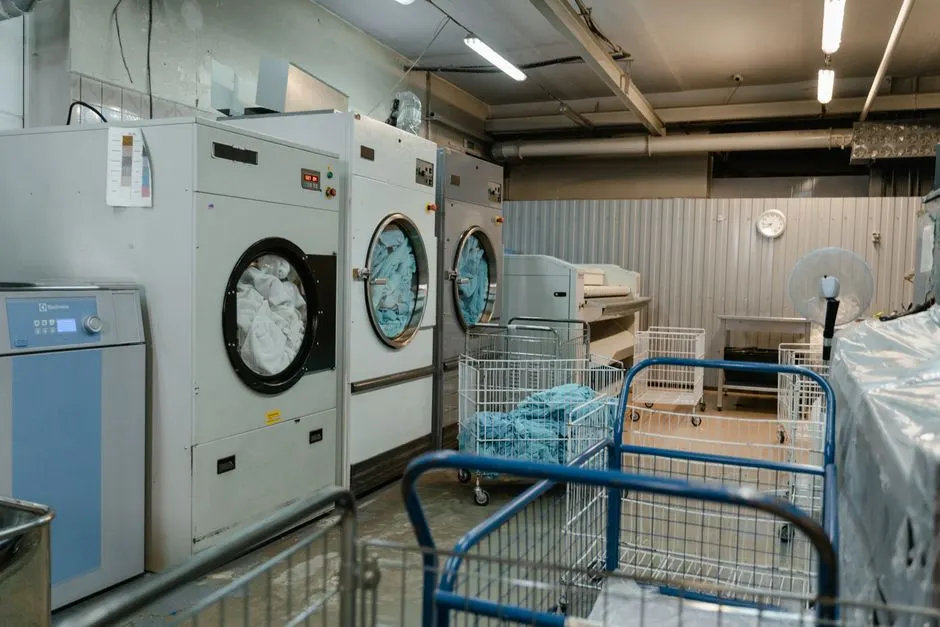
Interior view of an industrial laundry room with washers and rolling carts.
Licensed Licensed & Bonded
Fully Insured Insured & Bonded
24/7 Emergency Same-Day Response
Warranty Backed Workmanship Guaranteed

What Washer Installation Includes

Our standard installation covers positioning a compatible washer at an existing, accessible laundry hookup, connecting supply and drain lines, leveling the cabinet, and testing operation. We also inspect the visible connections for leaks during the test. New plumbing, electrical circuit work, cabinetry changes, and drain clearing are separate work when required; we identify those needs clearly rather than treating them as routine appliance setup.

Hookup Area Inspection

We check visible hot and cold shutoff valves, the drain opening or standpipe, the electrical receptacle, and the floor around the washer location. This identifies obvious access or connection issues before the appliance is moved into place and helps prevent pinched hoses or blocked service access.
Washer Positioning

We move the unit into its intended location while protecting the route and respecting the clearance required by the manufacturer. For front-load machines, we confirm shipping hardware is removed; for either design, we keep the cabinet positioned so hoses are not crushed behind it.

Water and Drain Connection

We connect accessible inlet hoses to the appropriate supply valves and route the drain hose securely to the existing drain. We check that the hose is not kinked and that the discharge path is stable, then observe actual fill and pump-out operation for leaks or backup.

Level and Spin Check

We adjust the washer feet using a level, confirm that the machine sits firmly, and observe a spin phase for excessive movement or noise. If the floor or existing connections prevent a safe setup, we explain the specific limitation and the next practical correction.

Operating Walkthrough

We show you the water shutoffs, explain the test results, and review basic care for your model. You can ask about detergent amounts, leaving a front-load door ajar between loads, or what to watch for during the first few wash cycles.

Washer Installation in Washington: The Essentials


Washer Installation in Washington is an appliance installation service that positions, levels, connects, and tests a washing machine when a home receives a new unit or an existing washer is replaced. We check the water shutoff valves, inlet hoses, drain standpipe, electrical receptacle, and floor condition before moving the machine into place. A torpedo level helps us correct front-to-back and side-to-side tilt; then we run a controlled fill, drain, and spin check. The goal is a washer that stays stable and moves water correctly from its first load.

Homes across Washington range from compact laundry closets to utility rooms in older houses and newer multi-unit buildings. Tight clearances, worn shutoff valves, a low drain standpipe, or a floor that slopes toward a wall can change the work. Our Washington washer installation service is suited to new appliance delivery, a move to a different laundry area, or a replacement after a leaking hose. If you need to install a new washer with delivery connections in Washington, we check the actual connections rather than relying on the delivery label.

What Installation Day Looks Like

Our installation follows a practical sequence: protect the route, verify the hookups, place and level the appliance, then test its operation. A standard accessible hookup often takes about 1 to 3 hours, while a relocation or connection correction adds time. We keep you informed at each step and leave the laundry space ready for use.

01

Schedule

Call or book online — a real human picks up and confirms a 2-hour arrival window.

02

Diagnose

Licensed tech inspects on-site, then walks you through the cause and your options.

03

Fix

The job is completed to code and done right the first time — no shortcuts, no surprises.

04

Guarantee

Every job backed by a written workmanship warranty — and we stand behind it.

Tools and Installation Methods

Tools & Equipment

Torpedo level

We use a torpedo level to check the washer from front to back and side to side. Correct leveling helps reduce cabinet movement and excessive vibration during the spin phase.

Adjustable wrench

An adjustable wrench helps us make controlled connections at compatible hose fittings without twisting the valve body. We check for leaks under flow after the connection is made.

Hose-clamp pliers

We use hose-clamp pliers where a manufacturer-approved clamp is part of the drain connection. The tool helps seat the clamp evenly and keeps the drain hose secure during pump-out.

Inspection flashlight

A focused inspection flashlight lets us see behind the appliance and around valves, fittings, and the standpipe. We use it to spot moisture, pinched hoses, and restricted access before the final test.

Wet/dry vacuum

A wet/dry vacuum can help remove small amounts of residual water from the immediate work area when a connection is opened or a hose is repositioned. It is not a substitute for clearing a blocked household drain.

Methods & Standards

Manufacturer-guided placement

We use the installation instructions for the washer model to confirm clearance, shipping-hardware removal, and the correct setup sequence. This prevents one-size-fits-all assumptions and protects the machine from avoidable transport or positioning errors.

Level, secure, and spin test

After positioning, we adjust the feet until the washer rests firmly, then watch a spin phase for movement and noise. If the unit shifts, we recheck leveling and floor contact before considering the installation complete.

Live connection inspection

We inspect water and drain connections while the washer is filling and pumping out. Testing under flow reveals a loose inlet fitting or an overloaded standpipe that a dry visual inspection may not catch.

Safety and code boundary check

We distinguish appliance connection from regulated plumbing or electrical contracting. Washington State plumbing contractor licensing applies when plumbing contracting work is performed, and Washington State electrical contractor licensing applies when electrical contracting work is performed. We identify when the job requires that licensed trade work.

When to Book Washer Installation

01

Your new washer has arrived, but delivery did not include connection or a full operating test.

What we do: We inspect the laundry hookup, remove shipping hardware as required, position and level the unit, then connect the supply and drain lines. We run the washer through fill, pump-out, and spin checks so you know it operates at the installed location.

→ You can begin using the appliance with its connections checked under real operating conditions, not just attached at the wall.

02

You are moving a washer into a renovated room or a different floor of the house.

What we do: We check the new space for appliance clearance, accessible water shutoffs, a suitable drain, and the correct electrical connection. We place the machine without trapping hoses and test the discharge path, which is especially important when the standpipe or floor layout differs from the old room.

→ The washer is set up for the new room, and you learn about any plumbing or electrical work needed beyond routine appliance hookup.

03

An old unit leaked or shook, and you want the replacement installed with the cause addressed.

What we do: We inspect the accessible hoses, valves, floor, and drain before connecting the replacement. We check whether the prior issue came from an unstable base, a leaking fitting, or poor drain routing, then test the new machine to confirm those installation conditions are corrected.

→ Your replacement starts from a stable, dry setup, reducing the chance of carrying the same installation problem into another appliance.

04

A landlord or property manager needs a replacement washer tested before a tenant uses it.

What we do: We coordinate access to the laundry area, confirm the hookup condition, and test the appliance after connection. We note visible concerns such as a slow valve, loose standpipe fit, or restricted access to shutoffs, helping you address maintenance items before the next full load.

→ The machine is ready for normal use, and the property manager has clear information about the visible hookup condition.

How Washer Installation Works Across Washington

Washington's varied building stock changes what we check before connecting a washer. Older homes may have stiff shutoff valves, narrow utility rooms, or drains with limited clearance; newer apartments often place laundry machines in compact closets where hoses can be pinched behind the cabinet. In damp coastal areas, we pay close attention to existing moisture around flooring and walls, while colder inland winters make an accessible, fully closing water valve especially useful if a laundry room is unheated. We do not assume every home has the same hookup dimensions or floor conditions. For washing machine setup in Washington, we verify the actual supply, drain, and power arrangement at the property. We follow the appliance manufacturer's instructions and observe the drain during a test cycle. Plumbing or electrical alterations are handled under the applicable Washington State contractor licensing requirements. If you need a washer installation service for homes across Washington, our statewide coverage includes city neighborhoods and smaller communities, with work planned around the property's access and existing connections rather than a generic checklist.

Neighborhoods We Serve

  • North End, Tacoma

    Older homes and compact utility rooms can leave limited room behind a washer. We check hose clearance and floor stability before sliding a replacement into position.

  • Downtown Renton

    Apartment laundry closets need careful hose routing so the unit can sit level without crushing the drain line. We test pump-out before returning the washer fully to its space.

  • Sammamish Plateau

    Larger homes may place laundry rooms on an upper floor. We check the route, floor contact, and nearby finishes, then watch for vibration that could carry through the structure.

  • Port Angeles

    Coastal moisture makes a look at the floor and wall area around old hookups worthwhile. We inspect for existing dampness and watch the new connections during a live test.

Local Conditions We Plan For

  • Damp coastal air and existing laundry-room moisture

    Moisture around a washer can hide a slow leak or soften flooring. We inspect the immediate area before installation and use the test cycle to check each accessible fitting for fresh water.

  • Cold winter temperatures in unheated utility spaces

    A laundry room exposed to freezing conditions needs working shutoffs and sound hose connections. We check for visible damage and make sure the valves remain accessible so you can isolate water if the space becomes unusually cold.

  • Compact apartment closets and older drain layouts

    Restricted clearance makes hose kinks and blocked service access more likely. We confirm the drain route and washer depth before positioning the cabinet, then verify that pump-out does not overwhelm the existing standpipe.

From Shaking to Stable

Before

A front-load washer sat slightly tilted in a narrow laundry alcove and moved several inches during spin. The owner had placed a folded mat under one side, which reduced the noise briefly but did not correct the uneven contact or verify whether shipping hardware had been removed.

After

We checked the model, removed the transport hardware, leveled the cabinet, and observed a spin phase lasting about 10 minutes. The washer remained in place, the hoses stayed clear of the rear panel, and no new movement appeared during the test.

Maintenance: Keep the floor around the washer dry and check that the unit has not shifted after moving heavy items nearby. If vibration returns, stop the cycle and check for an unbalanced load before using the machine again.

Before

A replacement washer left a small puddle after its first fill. The inlet fitting looked dry while the machine was off, so the leak appeared only when water pressure entered the hose. The owner stopped using the washer before moisture spread under the nearby cabinet.

After

We ran a controlled fill, located the seep at the hose connection, reseated the fitting, and repeated the test. The connection stayed dry through fill and drain, and the floor was dry when we finished the installation check.

Maintenance: Look behind the washer after the first few loads and close both supply valves if you see fresh water. Replace a hose that shows cracking, bulging, or corrosion rather than waiting for the next leak.

Before

A newly installed top-loader left water in the tub and stopped before completing its cycle. The drain hose had been pressed into a tight bend behind the machine, restricting discharge and making it difficult to tell whether the household drain was also involved.

After

We repositioned the hose without a kink, secured it at the existing drain, and watched a full pump-out. Water cleared from the tub, the standpipe accepted the discharge, and the washer completed its test without a backup.

Maintenance: Leave enough space behind the cabinet to prevent the hose from folding when the washer is pushed into place. Check the drain area after the first load and stop use if water rises in the standpipe.

Fixing Common Washer Setup Problems

A new washer can still create trouble if it sits unevenly, drains poorly, or has a weak hose connection. Our washing machine setup and hookup near me in Washington service addresses installation problems at the source. We check the machine while it runs, so you get a practical diagnosis and a tested result rather than a visual guess.

Problem

Washer vibrates hard or shifts during its first spin

Repeated movement can scuff flooring, strain hoses, and create excessive noise; severe vibration can also interrupt a cycle or loosen nearby items.

Our Fix

We verify that transport bolts are removed, check the floor contact, and level the cabinet in both directions. Then we observe a spin phase and adjust the feet until the washer stays stable. If the floor itself flexes or slopes significantly, we explain the limitation and discuss a suitable correction.

Problem

Water appears beneath a newly connected washer

A small leak can swell flooring, damage a ceiling below, and spread behind cabinets before it becomes obvious during ordinary use.

Our Fix

We run the washer through fill and drain while inspecting the inlet and drain connections. We tighten or correctly seat accessible hose fittings and check whether the water comes from the washer body, a supply valve, or the household drain. We do not leave a visible connection leak untested.

Problem

Washer fills but drains slowly or backs up

Poor drainage can leave clothes wet, trigger cycle errors, or push water over the standpipe and onto the laundry-room floor.

Our Fix

We inspect drain-hose placement and observe pump-out to see whether the issue is a kink, incorrect routing, or a restriction in the household drain. If the drain line itself is blocked, we identify that as a separate drainage repair need instead of blaming the new appliance.

Problem

Replacement washer does not fit the laundry opening

Forcing a large cabinet into a tight closet can damage trim, crush hoses, block valves, and leave too little clearance for safe operation.

Our Fix

We compare the washer dimensions with the opening and check access to shutoffs, power, and the drain before positioning it. We preserve the manufacturer's clearance and route connections without pinching them. If the selected machine cannot fit safely, we explain the measurement conflict before attempting placement.

A Better First Wash

A Better First Wash

A proper hookup protects the laundry area and gives you a clear first-run result. We focus on the details that are easy to miss during delivery: hose condition, stable footing, drain placement, and a complete cycle test. You get an installation matched to your room and washer model, not a rushed push into place.

  • Stable, Level Placement

    We adjust the washer feet until the cabinet sits firmly and the drum can reach spin speed without walking across the floor. Even a small tilt can amplify vibration, especially on a second-floor laundry area. We test the machine through a spin phase and recheck its position before finishing, so you can start with a stable setup rather than adding folded cardboard under a foot.

  • Connections Checked Under Flow

    We inspect inlet hoses and the drain connection, then watch the machine fill and pump out water. A dry-looking fitting at rest can still seep once the water inlet valve opens. Our professional washer hookup in Washington includes a live check of the connections and nearby floor, helping catch a loose fitting before detergent and a full load are involved.

  • Model-Specific Setup

    Front-load and top-load machines differ in shipping-bolt removal, leveling details, and operating instructions. We identify the model and follow its installation requirements, including clearance and hose routing. That matters for brands such as Whirlpool and LG, where a correct setup protects the appliance and avoids preventable vibration or error messages during the first cycle.

  • A Tested First Cycle

    Before we leave, we confirm that the washer fills, drains, and spins without visible leaks or unusual movement. A test cycle also exposes a blocked standpipe or poor drain-hose placement that a visual check alone will miss. You know the machine has completed the key installation functions, and we point out any existing plumbing or electrical concern that needs separate work.

How We Work Safely

Licensed & Certified

  • OSHA workplace safety training — issued by Occupational Safety and Health Administration
  • Manufacturer-specific appliance service training — issued by Appliance manufacturers
  • Washington State plumbing contractor licensing — issued by Washington State Department of Labor & Industries
  • Washington State electrical contractor licensing — issued by Washington State Department of Labor & Industries

Verified Reviews

Customer feedback ★★★★★5.0

The installer leveled our new washer and stayed to watch the drain cycle. He found a hose that was pressed against the wall and corrected the route before the machine was pushed into place. The laundry floor was dry after testing, and we knew where the shutoff valves were.

Customer feedback ★★★★★5.0

We needed a replacement set up in a small laundry closet. The technician checked the space and connections first, then made sure the washer did not shake during spin. The explanation was practical, and the first load ran without the leak we had experienced with the old machine.

Customer feedback ★★★★★5.0

Our washer would not drain properly after delivery. The team found that the hose was kinked behind the unit, repositioned it, and ran a pump-out test. They also checked the standpipe for backup, so we had a clear answer before using the washer again.

Installation Knowledge That Matters

Our local experience includes laundry closets, utility rooms, replacement hookups, and appliance moves across Washington. We work with installation instructions from manufacturers such as Maytag, GE Appliances, Samsung, and Bosch, and we match setup to the specific model rather than assuming every washer is alike. Our technicians use manufacturer-specific appliance service training and OSHA workplace safety training where applicable. We also distinguish routine appliance hookup from plumbing or electrical contracting work, which must be performed under the relevant Washington State licensing requirements.

  • We identify shipping hardware, model clearances, and hose routing before positioning front-load or top-load washers.
  • We use a torpedo level and controlled spin test to address vibration at the source instead of masking it.
  • We inspect drain-hose height and standpipe response to reduce overflow risk during pump-out.
  • We look for leaking inlet or drain hoses while the washer is actively filling and draining.
  • We follow UL appliance safety standards and applicable ENERGY STAR efficiency specifications when relevant to the unit.
Get Started Today
Installation Knowledge That Matters

Cities We Serve for Washer Installation

Our statewide service reaches major population centers, suburban communities, and smaller regional hubs across Washington. We schedule installations with the property layout in mind, whether your machine sits in a basement utility room, a compact apartment closet, or a detached laundry space. Our Washington washer installation coverage includes western, central, and eastern communities, with the same focus on safe hookups, stable placement, and a completed test cycle.

Tacoma

In Tacoma, we check older laundry hookups, tight utility-room clearances, and floor stability before connecting your replacement washer and testing its drain.

Renton

For Renton homes and apartments, we plan around closet access, route hoses without kinks, and observe the first fill and pump-out.

Sammamish

In Sammamish, we account for upper-floor laundry rooms and verify that leveling keeps vibration controlled through a spin test.

Lynnwood

Lynnwood installations include a check of available closet depth, shutoff access, and drain-hose clearance before the washer is pushed into place.

Orchards

In Orchards, we connect washers to accessible existing hookups, confirm stable placement, and watch the machine fill and drain before finishing.

Kenmore

Kenmore homes receive a model-specific setup, with attention to existing valve condition, safe hose routing, and a steady spin cycle.

Bothell West

For Bothell West properties, we check compact laundry layouts and keep connections accessible so routine shutoff and future service remain practical.

Port Angeles

In Port Angeles, we inspect the laundry-room floor and surrounding area for existing moisture, then test each connection under operating flow.

Port Orchard

Port Orchard washer installation includes careful placement, level adjustment, and a drain check suited to the property's existing hookup.

Elk Plain

In Elk Plain, we verify that the washer sits firmly on the available floor and that its drain hose is secure during pump-out.

Sedro-Woolley

Sedro-Woolley customers get a hookup inspection before placement, followed by a fill and drain test to catch leaks or slow discharge.

Minnehaha

In Minnehaha, we account for the specific laundry-room access and existing valve layout, then level and test the installed machine.

Sumner

For Sumner homes, we check hose clearance behind the washer and observe spin performance so the unit stays stable in its final position.

College Place

College Place installations include inspection of the supply and drain connections, secure positioning, and a live operating check before use.

Ephrata

In Ephrata, we match setup to the washer model, confirm the existing hookup is accessible, and test fill, drainage, and spin.

Washer Installation Questions, Answered

Real answers to the questions we hear most often from local homeowners and property managers.

How much does washer installation cost in Washington?
Typical 2026 washer installation pricing in Washington ranges from $150 to $450 for an accessible standard hookup. The final amount depends on delivery access, hose replacement, drain configuration, stacking, and whether a valve or outlet needs separate correction. We explain the price before starting the agreed installation work. A straightforward replacement using serviceable existing connections costs less than moving the washer to another room or changing the laundry hookups.
Who installs washing machines in Washington?
Washington Washer Repair installs washing machines across Washington, including replacement units and new laundry setups with accessible existing connections. Our team places and levels the washer, connects its water and drain lines, and tests operation. For plumbing or electrical contracting work beyond the appliance hookup, Washington State plumbing or electrical contractor licensing applies. Tell us the washer model and whether the room already has valves, a drain, and a suitable receptacle so we can plan the visit.
Does washer installation in Washington include connecting water and drain lines?
Yes, standard washer installation includes connecting accessible water supply hoses and positioning the drain hose at the existing standpipe or approved drain connection. We then run water and watch the washer drain to check for leaks and backup. A damaged shutoff valve, blocked household drain, or new plumbing run is additional repair work, not a routine hose connection. Our washing machine installation service Washington customers book includes a functional test of the installed connections.
Can a technician install a front-load washer in Washington?
Yes, a technician can install a front-load washer in Washington, and a standard accessible setup often takes 1 to 3 hours. We remove manufacturer shipping hardware, level the cabinet, connect the hoses and drain, and check a spin phase for vibration. If you need front-load washer installation by a technician in Washington, have the model information ready and clear a route to the laundry space before the appointment.

Related Washer Services

Washer Repair

If your existing washer leaks, stops mid-cycle, or leaves clothes soaked, we diagnose the fault before recommending replacement. A repair visit can determine whether a worn part or poor connection is responsible, helping you avoid installing a new unit when the current machine can be restored.

View Washer Repair

Front-Load Washer Repair

Front-load models need attention to the door lock, rubber door gasket, drain path, and spin balance. If a newly installed unit develops an error or water appears at the door, we inspect the affected area and test the machine rather than treating every leak as an installation issue.

View Front-Load Washer Repair

Top-Load Washer Repair

A top-load washer that will not fill, spin, or start may need component diagnosis after installation or years of use. We check the operating symptoms and confirm whether the problem comes from a lid lock, water supply, or internal fault before completing a repair.

View Top-Load Washer Repair

High-Efficiency Washer Repair

High-efficiency washers use carefully measured water and cycle controls, so an installation or drainage issue can trigger poor performance. We inspect the connection and operating conditions, then address the actual fault, including a drain pump obstruction or control problem where found.

View High-Efficiency Washer Repair

Washer Replacement

When a washer is beyond economical repair, replacement pairs removal planning with correct installation of the new unit. We check whether the replacement fits the existing space, review supply and drain connections, and test the new machine before you rely on it for a full load.

View Washer Replacement

Washer Maintenance and Tune-Up

Routine care helps protect a correctly installed washer from odor, residue, and avoidable wear. We inspect accessible hoses and operating behavior, and explain how detergent dosage and washer-cleaning tablets fit the manufacturer's care guidance for your model.

View Washer Maintenance and Tune-Up

Book Washer Installation in Washington

Get your washer connected, leveled, and tested before the first load. Call Washington Washer Repair at +18665940052 to schedule installation; our team checks the hookups under operating conditions and explains any issue we find.

Call Today Schedule Installation

Contact Our Team

Call +18665940052 to arrange washer or dryer service anywhere in Washington. Share your location, appliance brand, and the problem you are seeing; our team will help coordinate the next available service window. Phone support is available daily from 8:00 a.m. to 6:00 p.m., and you can email details or photos to [email protected].

Or call us right now at +18665940052 — we answer.

Washington Washer Repair


  • Phone

    +18665940052
  • Address

    Washington

  • Hours

    Mon–Fri: 7AM – 7PM
    Sat: 8AM – 4PM
    Sun: Emergency Only
    24/7 Emergency Available

Call +18665940052 Get Quote
Call Quote