Logo
Get Estimate

Washer Replacement in Washington for Your Home

Get a correctly fitted washer, connected and tested


Washer Replacement in Washington helps homeowners whose machines leak, stop spinning, or cost more to repair than to replace. We remove the old unit, check the laundry connections and fit the right new washer for your space. Washington washer replacement includes a careful hookup and operating test, so you know the machine fills, drains, and spins before we finish.

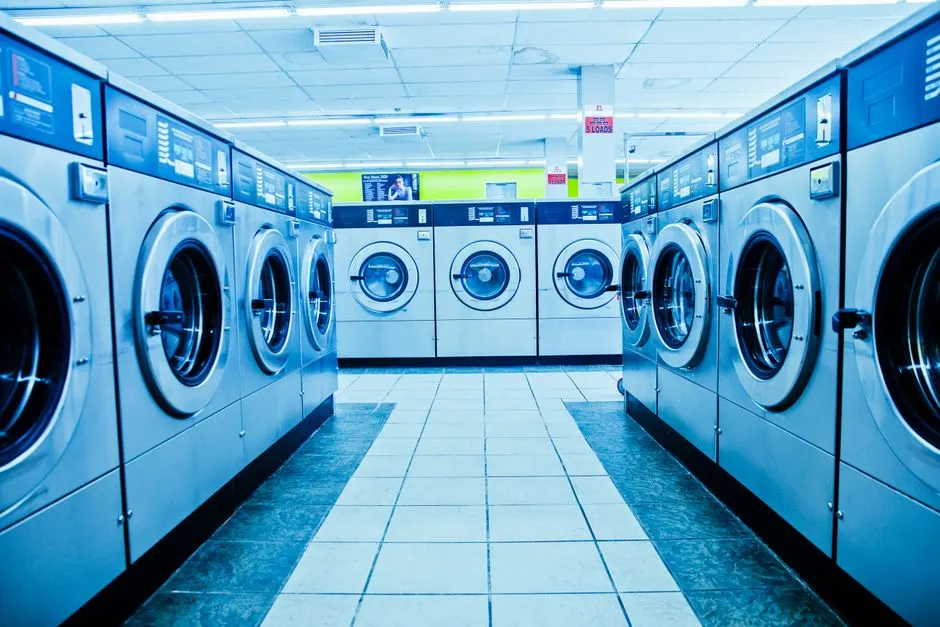
A contemporary laundromat with rows of industrial washing machines and bright interior lighting.
Licensed Licensed & Bonded
Fully Insured Insured & Bonded
24/7 Emergency Same-Day Response
Warranty Backed Workmanship Guaranteed

What Washer Replacement Includes

A standard changeout covers checking the installation space, disconnecting the existing washer, positioning and leveling the replacement, connecting it to suitable existing water, drain, and electrical connections, and testing operation. We explain any added work before proceeding. Repair of damaged plumbing, electrical alterations, unusual access handling, or disposal arrangements beyond the agreed removal are not assumed as part of a basic hookup.

Fit and Access Check

We compare the replacement's width, depth, and height with the laundry opening and confirm door or lid clearance. We also assess the route from the entry to the washer location, including stairs and tight turns, so handling can be planned before the existing appliance is disconnected.
Old Washer Disconnect

We shut off the water, unplug the appliance, remove the inlet and drain connections, and manage residual water. When removal is included in the agreed service, we move the old machine from the laundry area using a route that protects floors, trim, and nearby fixtures.

New Unit Hookup

We position and level the replacement, connect it to suitable existing supply and drain points, and confirm that hoses are seated securely. Worn hoses or unsuitable valves are identified before use. Plumbing or electrical contracting work, where required, is handled according to the applicable Washington licensing requirements.

Operating and Leak Test

We run the washer's installation or test sequence, observe filling and drainage, inspect connection points, and listen during spin. You see the machine operate before we finish. We also explain the first-load check and basic care recommended in the manufacturer's instructions.

Washer Replacement in Washington, Explained


Washer Replacement in Washington is an appliance changeout service that removes a failing or unsuitable washer and installs a compatible replacement for safe, reliable laundry use. We check the available width and depth, door clearance, supply connections, drain standpipe, floor condition, and electrical receptacle before moving the old unit. Then we position and level the new machine, connect its hoses, run a test cycle, and check for leaks, drainage trouble, and excess vibration. The goal is a washer that fits the laundry area and operates correctly, not simply a new box in the room.

A washer that will not drain, repeatedly leaks, or shakes across the floor can damage nearby finishes and disrupt a household routine. In damp western regions, musty odor and gasket mildew often persist when a worn machine is difficult to clean; colder inland weather can also make laundry-room supply lines vulnerable to freezing if an exterior wall is poorly protected. We compare repair needs with replacement cost and explain the practical choice. If you are deciding when to replace a washing machine in Washington, we inspect the fault, unit age, parts availability, and installation constraints before recommending a changeout.

What Happens During Changeout

Our five-step process keeps the move, connection, and operating check organized. We explain what we are doing, protect the route through your home, and confirm the washer works before the job is complete. A straightforward replacement commonly takes two to four hours, depending on access and connection condition.

01

Schedule

Call or book online — a real human picks up and confirms a 2-hour arrival window.

02

Diagnose

Licensed tech inspects on-site, then walks you through the cause and your options.

03

Fix

The job is completed to code and done right the first time — no shortcuts, no surprises.

04

Guarantee

Every job backed by a written workmanship warranty — and we stand behind it.

Tools and Installation Methods

Tools & Equipment

Digital multimeter

We use a digital multimeter when a permitted electrical check is needed to assess a receptacle or verify a basic electrical condition. Electrical contracting work is performed by appropriately licensed contractors.

Adjustable wrench

An adjustable wrench helps tighten or loosen compatible hose fittings without twisting the supply line. We use controlled pressure and inspect the connection afterward to reduce the chance of a slow leak.

Torpedo level

A torpedo level checks the washer's position across the cabinet. We adjust the feet until the appliance sits stable, which helps limit vibration and walking during the spin test.

Wet/dry vacuum

A wet/dry vacuum collects water left in the drain hose or washer during removal. Managing residual water keeps the route and laundry-room floor drier while the old machine is disconnected.

Washer diagnostic interface

A washer diagnostic interface helps retrieve model-specific fault information when we need to compare repair with replacement. The result guides the conversation; it does not replace a physical inspection of the hoses and installation area.

Methods & Standards

Measure, route, and clearance check

We measure the available opening and check the route through the home before moving equipment. The review includes door swing, hose space, stair turns, and access to shutoff valves. This method reduces the risk of installing a model that fits the room but blocks service access or cannot pass through the entry.

Manufacturer setup sequence

We follow the selected washer's instructions for removing shipping restraints, connecting hoses, leveling, and starting its first test. Model requirements differ, so we use the appliance documentation rather than assuming every brand has the same setup. We confirm successful fill, drain, and spin operation before completion.

Leak and vibration verification

With the washer operating, we inspect water connections and watch for movement through the spin portion of the test. We listen for unusual noise and check that the drain hose remains secure. If the test reveals a problem, we address the installation condition before calling the changeout complete.

When Replacement Makes Sense

01

A front-load washer leaks at its door gasket and has developed repeated drainage faults.

What we do: We inspect the gasket area and drain symptoms to establish whether a focused repair will last. If multiple failures make replacement the better choice, we measure the opening, plan door clearance, disconnect the old appliance, and test the replacement for leaks and complete drainage.

→ You get a washer selected for the available space, with the door opening freely and the drain connection checked before laundry use.

02

A top-load washer no longer spins, and the household needs a dependable machine before a busy week.

What we do: We check the lid lock and operating symptoms, then explain repair and changeout options. If you choose a new washer, we confirm lid clearance and route access, install the unit, level it, and run a test that includes filling and spinning.

→ You know whether repair was practical and, after replacement, have a tested machine ready for regular loads.

03

A remodel changes the laundry closet dimensions and the old washer no longer fits the planned layout.

What we do: We measure the new opening, account for hose and service clearance, and compare those dimensions with the replacement model. Our team removes the old washer, positions the selected unit, and checks that doors, drawers, and nearby fixtures remain accessible.

→ The new appliance fits the finished room without pinched hoses or blocked access to the shutoff valves.

04

A washer vibrates across an older utility-room floor despite repeated attempts to level it.

What we do: We assess the floor and machine condition before recommending a replacement. If the existing unit is worn, we install the new appliance on a stable footing, verify level in both directions, and observe a spin cycle for movement or unusual noise.

→ The washer stays in place during the test, and you know whether the floor itself needs attention.

How Washer Changeouts Work Across Washington

Washington washer replacement takes different planning in coastal, urban, and inland homes. In damp western areas, a laundry room with limited ventilation can show musty odor and gasket mildew; we check the floor and nearby finishes when a leaking washer is removed. In colder inland locations, a laundry space against an exterior wall calls for careful hose routing and attention to freezing exposure. Older homes may have narrow stairs, small closets, or shutoff valves that have not moved in years, while newer apartments can require elevator and loading-area coordination. We ask about those details before planning the move. Our team uses manufacturer-specific appliance service training and checks model instructions for inlet pressure and drain setup rather than applying one assumption to every machine. If you need a washer replacement service for homes in Washington, we confirm access, existing connections, and the selected appliance before the changeout. Where work extends into electrical or plumbing contracting, the relevant Washington State licensing requirements apply. The standard installation finishes with a fill, drain, and spin check, plus a visual inspection for leaks and vibration.

Neighborhoods We Serve

  • Capitol area

    Older houses and compact laundry rooms can have narrow routes or tight utility closets. We measure the opening and stair turns before removing a washer, then plan for hose access behind the replacement.

  • South Puget Sound neighborhoods

    Homes in established areas may have older shutoff valves and laundry floors with uneven surfaces. We inspect both before hookup and level the new unit to limit movement during spin.

  • Inland residential areas

    Laundry rooms near exterior walls need sensible hose routing during colder weather. We check for exposure and leave connections accessible so you can spot moisture or frost concerns.

Local Conditions We Plan For

  • Persistent winter dampness and limited laundry-room ventilation

    Moist conditions can make an existing leak harder to spot and encourage mildew around a worn gasket. During removal, we check the floor and nearby finishes, then test the replacement connections and explain how to keep the door area dry.

  • Cold snaps affecting laundry rooms on exterior walls

    Exposed supply lines can face freezing risk when temperatures drop. We inspect routing and connection access during installation, and we flag conditions that need plumbing attention rather than concealing a vulnerable line behind the appliance.

  • Older homes with narrow doors, stairs, or aging valves

    Tight access adds handling time, while stiff shutoffs can complicate a standard disconnect. We plan the carry route and inspect valve operation before removal so the work can proceed without forcing a connection that needs repair.

Leaking Front-Load Washer

Before

The front-load washer left a damp patch after each cycle, and water had begun collecting near the baseboard. The owner also reported that the machine sometimes stopped with water inside. The problem involved more than appearance: the floor was at risk, and laundry could not be planned around an unreliable drain.

After

We removed the failing washer, checked the supply and drain connections, and installed a correctly sized replacement. The test cycle filled, drained, and spun without visible leakage. The customer could run a load that day, and the floor remained dry through the final connection check.

Maintenance: Keep the door gasket and detergent area clean, and inspect the floor behind the washer after its first few loads. Follow the model's cleaning guidance and avoid overloading, which can increase strain and movement.

Before

A washer in a narrow closet walked forward during spin and struck the door trim. Repeated attempts to settle the machine did not stop the noise. The old unit also made access to the shutoff valves difficult, leaving the household concerned about another leak.

After

We planned the removal route, installed a replacement that fit the opening, and leveled it with room to reach the connections. During the spin test, the appliance stayed in position and cleared the trim. The valves remained accessible for future inspection.

Maintenance: Leave the clearance recommended by the manufacturer and check the washer's level if vibration returns. Wash bulky items in balanced loads, and keep the route to the shutoff valves unobstructed.

Before

The washer had stopped draining fully and failed to spin several times in one month. Clothes came out wet, and the owner had already spent time arranging repeated troubleshooting. A new repair was possible, but uncertainty about another failure made replacement worth comparing.

After

After reviewing the symptoms and installation space, we removed the old machine and connected a replacement. We checked the drain hose position, observed the drum empty, and confirmed a stable spin test. The first load completed without standing water or an error interruption.

Maintenance: Use the detergent amount specified for the washer and check pockets before loading. Keep the drain route clear and respond promptly if a cycle ends with water in the drum or a new fault code.

Replace a Broken Washer Near Me in Washington

A washer that leaks, leaves water in the drum, or stops mid-cycle can put laundry and flooring at risk. We find out whether the fault is repairable or points to a practical replacement, then plan the changeout around your room and connections. You get a working washer and a checked installation, not an unexplained appliance swap.

Problem

A washer leaks repeatedly and leaves water beside the laundry area.

Continued leaking can swell flooring, damage trim, and create a slippery path. A persistent leak also makes it difficult to use the room safely.

Our Fix

We identify whether water is coming from a hose, door seal, or internal fault and compare repair with replacement. If the washer is being changed, we check the shutoffs and drain connection, install the new unit, and inspect the joints during a test cycle.

Problem

The machine will not drain or spin after several repair attempts.

Wet laundry remains trapped in the drum, and repeated service costs add up while household washing falls behind.

Our Fix

We review the machine's symptoms and repair history, then assess whether a drain or spin fault is worth fixing. If replacement makes more sense, we remove the old unit, verify the new machine fits, and test both drainage and spin operation before wrapping up.

Problem

A washer shakes, walks, or makes excessive noise during each spin.

Movement can strain hoses, mark floors, and make the laundry room disruptive to use, especially when the machine runs near living spaces.

Our Fix

We check the floor and installation before deciding whether leveling or a new appliance is needed. During a changeout, we position the replacement on a stable surface, level its feet, and observe a spin test for abnormal movement.

Problem

An older washer has multiple faults and replacement parts are difficult to source.

Waiting on uncertain repairs can leave you without laundry capacity and expose you to another breakdown soon after parts are installed.

Our Fix

We explain the known faults and compare likely repair expense with a replacement. If you choose a changeout, we confirm the selected model's dimensions, plan removal, and test the new washer's fill, drain, and spin functions.

A Better Fit and Dependable Wash

A Better Fit and Dependable Wash

A replacement should solve the recurring problem without creating a new one at the hookups or drain. We match the machine to your laundry space, connect it carefully, and verify the basics before leaving. You get clear pricing before work begins and a practical explanation of the care that helps protect the new washer.

  • Fewer Repeat Failures

    If a washer has repeated drain-pump, control, or spin problems, replacing it can end the cycle of repair visits. We identify the symptoms and compare the likely repair with the price of a suitable replacement. You get a grounded recommendation based on the machine's condition, not a push toward the newest model.

  • Safe, Neat Connections

    We inspect the inlet hoses, drain connection, receptacle, and floor before positioning the new unit. A properly seated drain hose and level washer help reduce leaks and movement during spin. Our final run test checks fill, drain, and spin operation so you can catch a connection issue before laundry resumes.

  • Capacity That Suits You

    A household washing bulky bedding has different needs from a small laundry closet or a one-person home. We discuss load size, available clearance, door swing, and utility access before you choose. A machine that fits the room and your routine is more useful than a larger model that blocks access or strains the floor.

  • Clear Changeout Costs

    Our team explains the work and price before starting, including whether access, hose replacement, or extra handling changes the job. An affordable washer changeout service Washington homeowners can plan for should distinguish a straightforward swap from added plumbing or electrical work. You know what the installation includes before the old unit is disconnected.

Work Standards and Safety

Licensed & Certified

  • Manufacturer-specific appliance service training — issued by Appliance manufacturers
  • OSHA workplace safety training — issued by Occupational Safety and Health Administration
  • Washington State electrical contractor licensing — issued by Washington State Department of Labor & Industries
  • Washington State plumbing contractor licensing — issued by Washington State Department of Labor & Industries

Verified Reviews

Customer feedback Not stated

A homeowner in Olympia described a washer that leaked during cycles. The replacement was connected and tested, with the technician checking the drain and supply joints before leaving. The practical result was a dry floor and a machine ready for laundry that evening.

Customer feedback Not stated

A Federal Way customer needed a washer installed in a tight closet after repeated spin problems. The crew checked the opening, handled the old unit carefully, and verified that the replacement stayed stable during spin. The customer appreciated having the repair-versus-replacement choice explained plainly.

Customer feedback Not stated

A household in East Wenatchee was concerned about moving a washer from an upstairs laundry room. The route was planned before removal, and the new machine was leveled and tested. The customer reported quiet operation and no visible leaks after the first cycle.

Practical Appliance Installation Expertise

Our local experience covers the details that make a washer changeout succeed: model fit, old-house access, shutoff condition, drain height, leveling, and the manufacturer's setup sequence. We use manufacturer-specific appliance service training to work across brands such as Whirlpool, Maytag, GE Appliances, LG, and Samsung. Technicians follow OSHA workplace safety training for moving heavy equipment and apply UL appliance safety standards when checking the installed unit. EPA Section 608 certification applies to technicians handling regulated refrigerants when applicable; standard washer replacement does not involve refrigerant handling.

  • We verify dimensions and clearances before moving equipment, reducing the risk of discovering a blocked doorway after the old washer is disconnected.
  • Manufacturer-specific appliance service training helps our technicians follow the model's leveling, hose, and first-cycle instructions.
  • We check for visible leaks and abnormal vibration during a test cycle, rather than treating delivery into the laundry room as a completed installation.
  • Washington State electrical contractor licensing applies when electrical contracting work is performed; plumbing contractor licensing applies when plumbing contracting work is performed.
  • We account for stairs, narrow closets, stacked arrangements, and long carry routes so you know how access changes handling time.
Get Started Today
Practical Appliance Installation Expertise

Cities We Serve Across Washington

Our service coverage includes communities across western, central, and eastern Washington, with changeout planning shaped by each home's access and utility setup. We bring the same careful measuring, connection checks, and operating test to larger cities and smaller communities. If you need washing machine replacement in Washington, tell us your location and whether the washer is upstairs, stacked, or in a narrow closet.

Olympia

In Olympia, we plan washer removal around older home layouts and compact utility spaces, then inspect the existing valves and floor before installing and testing the replacement.

Federal Way

For Federal Way households, we check closet clearance and access routes before moving equipment, then verify that the new washer fills, drains, and spins without leaking.

Lakewood

Lakewood changeouts include careful checks of the drain connection and washer stability, especially where laundry areas share space with storage or finished flooring.

Issaquah

In Issaquah, we account for stairs and tighter utility-room access when planning removal, and confirm that the selected machine fits its opening and service clearances.

Maple Valley

Maple Valley customers receive a fit and connection check before the old appliance is disconnected. We level the replacement and inspect it during a complete test cycle.

Eastmont

In Eastmont, we plan the carry route and review the laundry-room hookups before installation, then check for leaks and excessive vibration during the washer's test.

Battle Ground

Battle Ground changeouts are planned around the home's access and existing drain setup. We connect the replacement, confirm stable positioning, and verify normal fill and drainage.

Salmon Creek

For Salmon Creek homes, we check the opening, hose reach, and valve access before positioning the new washer, then test the connections under operation.

Aberdeen

In Aberdeen, we take care around laundry spaces where damp conditions make leak checks important. We inspect the floor and connection points as part of the changeout.

East Wenatchee

East Wenatchee installations include a review of laundry-room access and hose routing. We level the washer and check fill, drainage, and spin before finishing.

Cheney

Cheney customers get a measured fit check and secure standard hookup. We run the washer through its operating test and look for leaks or movement.

Airway Heights

In Airway Heights, we plan removal and delivery around the route into the laundry area, then verify the replacement's hose connections and stable spin.

Shelton

Shelton changeouts include inspection of the laundry floor and existing connections, followed by leveling and a test cycle to confirm proper filling and drainage.

Tehaleh

For Tehaleh households, we confirm model dimensions and utility access before disconnecting the old washer, helping ensure the replacement fits and remains serviceable.

Duvall

In Duvall, we check the route, shutoffs, and drain position before moving the washer. The new unit is connected, leveled, and tested for leaks and vibration.

Washer Replacement Questions and Answers

Real answers to the questions we hear most often from local homeowners and property managers.

How much does washer replacement cost in Washington?
A straightforward washer replacement commonly costs $180 to $450 for labor and standard hookup, excluding the new appliance. In 2026, final pricing depends on access, removal, hose condition, stacking, and whether a connection needs repair. We identify the work and give you the price before starting. A standard changeout often takes two to four hours; stairs, tight closets, or damaged valves can add labor.
When should I replace rather than repair a washer in Washington?
Replace the washer when a major failure, repeated breakdowns, or repair cost approaching half the price of a comparable new machine makes continued repair poor value. We inspect symptoms such as failure to spin, leaking, or a failed control and check parts availability. A single accessible hose leak is often repairable; multiple costly faults on an older unit can make replacement the more practical choice.
Can a Washington service arrange old washer removal?
Yes, we can arrange old washer removal as part of a changeout when removal and disposal are included in the agreed service. Tell us whether the machine is upstairs, stacked, or behind a narrow doorway so we can plan safe handling. We disconnect and move the unit from the laundry area; recycling or disposal options depend on local rules and the arrangement for your job.
Does washer replacement include installation in Washington?
Yes, washer replacement includes positioning, leveling, standard water and drain hookup, and an operating test when the existing connections are suitable. Our washing machine replacement and installation in Washington checks fill, drainage, hose joints, and spin stability. Repairs to damaged valves, wiring, or drain plumbing are separate work because they require their own assessment and the appropriate licensed contractor where required.

Related Washer Services

Washer Repair

A repair visit is useful when the washer has one identifiable fault, such as a blocked drain pump or failed door lock. We diagnose the problem and compare repair cost with replacement before you commit. If the machine has several expensive failures, we can discuss a complete changeout instead.

View Washer Repair

Front-Load Washer Repair

Front-load machines can develop gasket leaks, drainage problems, or vibration when they are not level. We inspect the door seal, drain path, and installation before recommending parts. When repair no longer pencils out, the same measurements help us fit a replacement without blocking the door or nearby cabinetry.

View Front-Load Washer Repair

Top-Load Washer Repair

A top-load washer that will not fill, spin, or unlock needs diagnosis before replacement is considered. We check the lid lock, water supply, and relevant controls, then explain the repair outlook. If you choose a new unit, we confirm lid clearance and access to the supply valves.

View Top-Load Washer Repair

High-Efficiency Washer Repair

High-efficiency models need the right detergent use and installation setup to perform as intended. We diagnose symptoms and check the machine's load and water behavior. If repeated faults make a new model the better choice, we help match capacity and dimensions to your laundry habits and available space.

View High-Efficiency Washer Repair

Washer Installation

Installation covers positioning, leveling, connection, and functional testing for a new washer. It is the natural next step after you purchase a replacement appliance. We check that the route and opening work for the selected unit, then verify water flow and drainage before you start a full load.

View Washer Installation

Washer Maintenance and Tune-Up

Routine cleaning and inspection can help prevent odor, residue, and avoidable wear on a washer you plan to keep. We check hoses, drainage, and operation, and explain how often to use washer-cleaning tablets according to the model instructions. If maintenance reveals a costly recurring fault, we can compare replacement options.

View Washer Maintenance and Tune-Up

Book Washer Replacement in Washington

If your washer is leaking, stalled, or shaking through every spin, call us at +18665940052. Our technicians explain the work and price upfront, then remove, connect, and test your replacement.

Call Today Schedule Service

Contact Our Team

Call +18665940052 to arrange washer or dryer service anywhere in Washington. Share your location, appliance brand, and the problem you are seeing; our team will help coordinate the next available service window. Phone support is available daily from 8:00 a.m. to 6:00 p.m., and you can email details or photos to [email protected].

Or call us right now at +18665940052 — we answer.

Washington Washer Repair


  • Phone

    +18665940052
  • Address

    Washington

  • Hours

    Mon–Fri: 7AM – 7PM
    Sat: 8AM – 4PM
    Sun: Emergency Only
    24/7 Emergency Available

Call +18665940052 Get Quote
Call Quote