Residential Washer Repair for Eastmont Homes
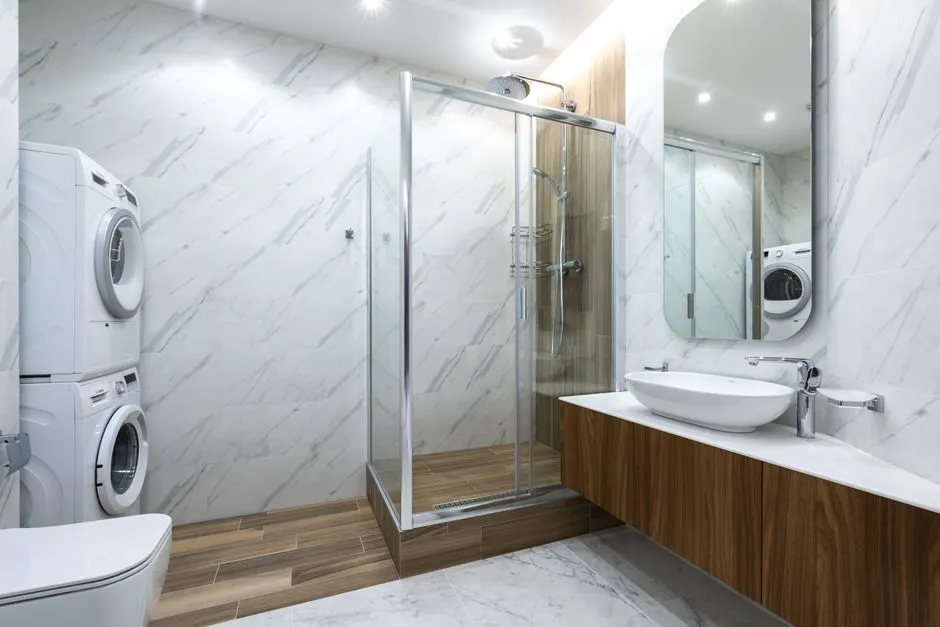
Eastmont residential washer calls come from a variety of home layouts, including established houses, newer homes, townhomes, and apartment-style residences. Your laundry setup may be a main-floor utility room, a closet near bedrooms, or a stacked washer-dryer arrangement. We adapt the inspection to the space, protect nearby flooring, and check the machine's connections before pulling it forward. A front-load washer that leaks at the door needs a different inspection from a top-loader that refuses to spin, so describe the exact symptom when you book. We also help with installation and replacement planning when an older washer no longer makes sense to repair. If your high-efficiency washer is leaving clothes wet or showing repeated cycle errors, we test the operating behavior and model-specific components before recommending a part. The goal is a washer you can use confidently after a confirmed repair, with no unnecessary work added to the visit.
- Leak and hose inspection — We trace water around your washer, inlet connections, and drain route to identify the source rather than guessing from the puddle. In Eastmont homes with finished laundry floors or rooms above living space, we test for fresh moisture after the repair and explain what to watch during the next cycle.
- Spin and vibration diagnosis — If your washer shakes or leaves clothes soaked, we check load balance, leveling, and the relevant spin components. Eastmont customers get a test matched to the complaint, so you can see whether the issue was a one-time unbalanced load or a fault that needs a part repair.
- Installation and replacement help — We plan washer installation around the actual opening, stairs, and connection locations in your Eastmont home. Before the new machine is put into service, we check its position, accessible hoses, and a fill-and-drain operation to catch setup problems before they affect your floor.
- Cycle and error diagnostics — When an error returns or the washer stops mid-cycle, we record the point of failure and test the functions involved. We use the model information to guide diagnostics and explain whether a sensor, lock, drain, or control issue is supported by the findings.