Logo
Get Estimate

Washer Leak Repair in Washington for Dry Floors

We find the leak, repair the cause, and test your washer.


Washer Leak Repair in Washington helps homeowners and property managers stop water damage before a small puddle reaches flooring, cabinets, or the room below. We trace leaks to hoses, seals, valves, pumps, or an installation fault, then explain the repair and test the washer through a complete fill, wash, and drain. Our washing machine leak repair in Washington covers front-load and top-load models across the state.

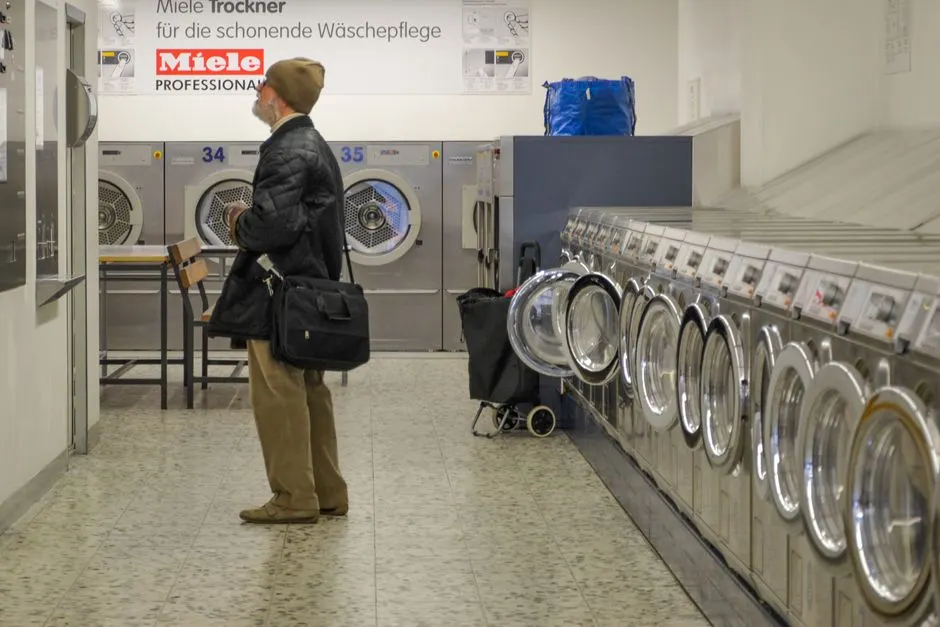
A man stands inside a Berlin laundromat, surrounded by Miele washing machines.
Licensed Licensed & Bonded
Fully Insured Insured & Bonded
24/7 Emergency Same-Day Response
Warranty Backed Workmanship Guaranteed

What Washer Leak Repair Includes

We inspect the washer and its accessible water connections, identify the leak path, explain the repair, and test the machine after the work. The service focuses on the appliance and its immediate connections. If the source is a building drain or fixed plumbing beyond the washer connection, we explain what we found and what trade work is needed.

Leak Source Inspection

We check the water inlet area, drain route, door or lid opening, pump region, and floor around the appliance. We look for fresh moisture, dried residue, and water tracks that point away from the visible puddle to the actual source.
Component Repair

When diagnosis confirms a failed washer part, we repair or replace the relevant hose, seal, valve, pump, or fitting. We use a part suited to the washer model and explain how the failure caused the leak before proceeding.

Operational Leak Test

We test the washer under the operating condition that produced the leak, such as filling or draining. The technician checks the repair area again while the machine runs and confirms that water is not escaping from the corrected connection.

Stability and Hose Check

We check hose routing for kinks and confirm that the washer sits steadily. If vibration contributed to a loose connection or water spill, we address the appliance's position and explain how load balance affects movement during spin.

Care Guidance

Before we leave, we show you the repaired area and give practical guidance for preventing a repeat problem. That can include avoiding excess detergent, checking hose condition, and responding promptly to new moisture rather than running repeated cycles.

Washer Leak Repair in Washington, Explained


Washer Leak Repair in Washington is an appliance service that identifies and corrects water escaping from a washer during filling, washing, or draining. We inspect inlet hoses, drain hoses, the water inlet valve, pump area, door opening, and connections before replacing parts. A wet floor alone does not identify the fault: water can travel along a cabinet base or hose and appear several feet from its source. We isolate the leak, check the affected components, make the appropriate repair, and run a test cycle to confirm the washer is no longer losing water.

Washington homes face different laundry-room conditions, from compact closets in Bellevue condos to utility rooms exposed to colder winter temperatures inland. A washer that leaks during a spin cycle may also be unbalanced, while detergent buildup can worsen water leaking from the door gasket. We check the machine's position, load behavior, and drain path alongside the visible leak. If you need same-day washer leak repair in Washington, tell us when the leak occurs and whether the water looks clean, so we can focus the inspection.

What to Expect During Service

Washer Leak Repair in Washington follows a clear sequence: document the symptoms, inspect safely, identify the failed part, complete the approved repair, and verify the result. We keep you informed at each step and protect the work area while we test the machine.

01

Schedule

Call or book online — a real human picks up and confirms a 2-hour arrival window.

02

Diagnose

Licensed tech inspects on-site, then walks you through the cause and your options.

03

Fix

The job is completed to code and done right the first time — no shortcuts, no surprises.

04

Guarantee

Every job backed by a written workmanship warranty — and we stand behind it.

Tools and Repair Methods

Tools & Equipment

Digital multimeter

We use a digital multimeter to check electrical continuity or voltage at relevant washer components when symptoms indicate a valve, sensor, or control issue connected to the leak.

Inspection flashlight

A focused inspection flashlight reveals water tracks, residue, gasket damage, and damp areas behind or beneath the cabinet that are hard to see in a dim laundry closet.

Hose-clamp pliers

We use hose-clamp pliers to release and secure appropriate internal hose clamps during pump or hose access, reducing the risk of damaging the hose or clamp.

Torpedo level

A torpedo level helps us check whether the washer is sitting evenly. An unstable appliance can vibrate, shift hoses, and contribute to leaks during high-speed spin.

Wet/dry vacuum

We use a wet/dry vacuum to remove standing water from the immediate work area when needed, allowing a clearer inspection and safer cleanup before a test cycle.

Methods & Standards

Cycle-stage leak tracing

We note whether water appears during fill, wash, spin, or drain, then test the related parts in that sequence. The timing narrows the likely source and keeps diagnosis focused. We inspect the repair point again under the same operating condition that first produced the leak.

Connection and pressure inspection

We examine inlet hoses, fittings, and the water inlet valve for seepage during filling, then check the drain route during pump-out. A connection that stays dry while idle can still leak under flow, so visual inspection is paired with a controlled washer test.

Model-specific parts matching

We use the washer brand and model information to identify compatible seals, hoses, valves, and pumps. Correct fit matters: an unsuitable gasket or hose can leak again or interfere with normal operation. We check how the replacement seats before returning the appliance to service.

Safety and compliance checks

We follow UL appliance safety standards and applicable manufacturer instructions while accessing the washer. Washington State electrical contractor licensing applies when electrical contracting work is performed, and Washington State plumbing contractor licensing applies when plumbing contracting work is performed. We keep appliance repair distinct from regulated building-trade work.

When to Call for Leak Service

01

You find a growing puddle beneath the washer after a cycle, but cannot see the source.

What we do: Stop the washer and turn off its water supply if the leak continues while idle. We inspect the underside, hose connections, pump, and drain path, then reproduce the leak under controlled operation. That lets us distinguish a supply leak from a drain-cycle failure instead of replacing parts by guesswork.

→ You get a repair tied to the actual source, with the washer tested before normal laundry use resumes.

02

A front-loader drips from the door during washing or leaves water along the gasket fold.

What we do: We check the gasket for a tear, debris, or poor contact and inspect the door closure. After replacing a failed seal or correcting an obstruction, we run a wash test and check the front edge for fresh water. We also identify detergent residue that could affect sealing.

→ The door seals correctly through the test, and you know how to keep the gasket clean and dry between loads.

03

Water appears behind the washer after installation, a move, or hose adjustment.

What we do: We inspect inlet and drain connections, check hose routing, and confirm the drain line is seated correctly. A washer moved for flooring or cleaning can leave a hose pinched or fitting loose. We correct the connection, level the machine if needed, and test a fill and drain.

→ The washer operates without a fresh drip, and the hoses remain routed safely behind the appliance.

04

You discover water near an outlet or a washer that has stopped mid-cycle.

What we do: Do not touch wet electrical connections or restart the appliance. We help isolate the water source and inspect the washer safely, checking whether a leak has affected operation or caused a control fault. Electrical contracting work is handled under applicable Washington State licensing requirements.

→ The immediate leak is assessed safely, and you receive a clear repair plan before the washer returns to service.

How Leak Repairs Work Across Washington

Washington washer leak repair has to account for varied homes, access, and weather rather than one standard laundry-room layout. In western communities, damp conditions and limited ventilation can leave moisture and gasket mildew around a washer; in colder inland areas, an unheated utility space can expose hoses to freezing conditions. We ask where the washer sits and whether the leak occurs while idle or during a cycle. In apartments and townhomes, we protect shared flooring and check whether water could reach a neighboring unit. In older homes, tight closets and uneven floors can complicate access and increase vibration. We check the appliance itself and its immediate connections, while plumbing or electrical contracting work is handled under applicable Washington licensing requirements. If a washer hose has split after a cold spell, a technician for a leaking washer hose in Washington can identify the damaged section, replace it with a compatible part, and test the line. We also account for local water-use goals and ENERGY STAR efficiency specifications when discussing washer operation, without changing the repair method unnecessarily.

Neighborhoods We Serve

  • Bellevue

    Condo and townhome laundry closets can leave limited space behind the machine. We plan hose and drain access carefully and check whether water could travel into a shared wall or lower unit.

  • Wenatchee

    Cold winter conditions in utility rooms make hose condition and shutoff access important. We inspect for cracking, stiff sections, or a connection that began seeping after a temperature change.

  • Lacey

    Laundry rooms near finished flooring need quick moisture control. We trace water beneath the appliance and check for a leak that has followed the floor rather than appearing directly below its source.

  • University Place

    Multi-level homes and compact laundry spaces can make leak location difficult. We check nearby walls and floor edges as well as the washer so a hidden water trail is not mistaken for a second fault.

Local Conditions We Plan For

  • Cold snaps expose vulnerable hoses in unheated laundry spaces

    A hose can become brittle or split when exposed to freezing conditions. We inspect the full accessible length and the fittings, replace a damaged line, and confirm that water remains contained during filling.

  • Damp rooms slow drying around washer gaskets

    Moisture and detergent residue can collect in a door gasket and contribute to mildew or poor sealing. We check for damage and advise you to dry the fold and leave the door open when practical.

  • Shared buildings raise the cost of an unnoticed drip

    A small leak can travel through flooring or a utility closet into a neighboring space. We check the immediate area, remove standing water when needed, and test the washer before it returns to routine use.

Drain Hose Leak Stopped

Before

A washer left a puddle after every drain cycle, spreading behind the cabinet and dampening the edge of the flooring. The hose looked connected from the front, but a small split near the rear connection opened only as water pumped out. Repeated towel cleanup hid the pattern without stopping the leak.

After

We replaced the damaged drain hose, secured its route, and ran a drain test. The pump-out lasted about 2 minutes with no new moisture at the connection or beneath the washer. The customer could see the repaired section and confirm the floor remained dry after the test.

Maintenance: Check visible hose sections every few months and after moving the washer. Keep the drain hose free of sharp bends, and stop the machine if a new puddle appears during pump-out.

Before

Water dripped from a front-load washer during the wash cycle and collected along the front floor edge. Detergent residue had built up in the gasket fold, and a small tear allowed water past the seal. Wiping the gasket reduced residue but did not stop the active drip.

After

We fitted a compatible replacement gasket, checked the door's contact, and ran a wash test. The door area stayed dry through the test, and the customer learned where residue had collected. The repair addressed the seal rather than masking the leak with extra detergent or repeated cleaning.

Maintenance: Use the detergent amount specified for the washer and wipe the gasket fold after a heavy soil load. Leave the door ajar when practical so the seal can dry between cycles.

Before

A slow drip appeared behind the washer even when no cycle was running. The inlet connection had loosened slightly, leaving a water mark on the wall and dampness at the baseboard. Because the leak was intermittent, it was easy to miss during ordinary laundry use.

After

We inspected the inlet hose and valve connection, corrected the loose fitting, and monitored it during a fill test. The connection stayed dry through repeated filling, and the visible area was cleaned so any future moisture would be easier to identify.

Maintenance: Look behind the washer periodically for new water marks, bulging hose sections, or corrosion at fittings. Avoid pulling the washer forward by its hoses when cleaning or accessing the wall.

Fix Washer Leaking From Underneath

A puddle under the cabinet is a symptom, not a diagnosis. We trace water from the washer's operating parts and connections, then repair the confirmed cause. Prompt attention helps prevent repeated soaking of flooring and reduces the chance that a small leak becomes a larger cleanup.

Problem

Water appears beneath the washer only during draining

Repeated drain leaks can wet subflooring and leave water trapped under the appliance, where it is difficult to spot and dry.

Our Fix

We inspect the drain hose, pump area, and connections while the washer pumps out water. If you need washer leaking from underneath repair service Washington, we identify whether the leak comes from a loose fitting, damaged hose, or failing pump before making the repair and retesting the drain.

Problem

Front-load door gasket drips during a wash

Water can run across the floor and collect at cabinet edges; detergent residue and mildew can also interfere with a proper seal.

Our Fix

We inspect the rubber door gasket for tears, trapped debris, and sealing problems, then check the door's closure. If the gasket has failed, we fit the correct replacement and run a wash test. We also explain how detergent use and leaving the door open to dry can help limit mildew.

Problem

Inlet hose or valve leaks behind the appliance

A slow supply-side leak can continue while the washer is idle, staining the wall or damaging flooring before you notice it.

Our Fix

We check the inlet hoses, fittings, and water inlet valve for seepage and inspect the water trail behind the cabinet. We replace a confirmed failed hose or valve, reconnect the supply securely, and monitor the connection during filling so the repair is verified under pressure.

Problem

Unbalanced loads shake the washer and loosen connections

Excessive movement can pull on hoses, create recurring drips, and make a washer noisy or unreliable during high-speed spin.

Our Fix

We inspect the appliance's stance and hose slack, then check for signs of suspension or shock problems that contribute to vibration. We correct basic leveling where appropriate and test a balanced load movement. If a separate suspension repair is needed, we show you the affected area and explain the next repair.

Stop Leaks, Protect Your Home

Stop Leaks, Protect Your Home

A sound repair should do more than dry the floor once. We locate the source, correct the failure, and check the washer under operating conditions so you know what changed and what to watch for next.

  • Limit Water Damage

    A slow leak can swell laminate, stain drywall, or reach a ceiling below the laundry room. We trace the water to its source instead of sealing the first damp connection we see. After the repair, we run a controlled fill and drain test and check the floor and nearby fittings for fresh moisture.

  • Restore Complete Cycles

    A leaking drain pump or damaged hose can leave your washer not draining, interrupt a cycle, or leave standing water in the drum. We inspect the drain route and pump area, clear an obstruction when appropriate, and confirm that water leaves the machine at the expected stage of the cycle.

  • Protect Washer Components

    Water near electrical connections, a drive belt, or a motor area calls for prompt diagnosis rather than repeated test runs. We identify where the moisture is traveling and avoid unnecessary part replacement. Our Washington washer leak repair checks both the leak source and related symptoms such as excessive vibration.

  • Know the Repair Cost

    You receive upfront pricing before repair work begins, with the cause and recommended fix explained in plain language. A hose replacement is different from a pump or valve repair, and the parts and access affect the total. We help you compare the repair with the washer's age and condition.

Safety and Service Standards

Licensed & Certified

  • Manufacturer-specific appliance service training — issued by Appliance manufacturers
  • OSHA workplace safety training — issued by Occupational Safety and Health Administration
  • EPA Section 608 certification when regulated refrigerants apply — issued by U.S. Environmental Protection Agency
  • Washington State electrical contractor licensing when electrical contracting work is performed — issued by Washington State Department of Labor & Industries
  • Washington State plumbing contractor licensing when plumbing contracting work is performed — issued by Washington State Department of Labor & Industries

Verified Reviews

Customer feedback Not published

A homeowner reported a drain leak that appeared only during pump-out. The technician traced it to a split hose, replaced the damaged section, and tested the drain before leaving. The customer appreciated seeing the leak source rather than receiving a guess based on the puddle.

Customer feedback Not published

A front-load washer was dripping from the door despite repeated gasket cleaning. Inspection found a tear in the seal. After replacement and a wash test, the door stayed dry, and the homeowner received clear instructions for keeping detergent residue from collecting in the gasket fold.

Customer feedback Not published

A slow supply-side drip had left a mark behind the washer. The technician found a loose inlet connection, corrected it, and checked the fitting during a fill test. The customer said the explanation was straightforward and the laundry area was left clean.

Appliance Leak Diagnosis

Our local experience covers common leak paths on front-load and top-load washers, including hose failures, worn seals, valve leaks, and drain-pump problems. We follow manufacturer-specific appliance service training where applicable and use model information to match parts and procedures. The diagnosis accounts for related faults such as washer not spinning, a washer not draining, or excessive vibration, because those symptoms can expose a leak or point to a shared cause. We work to UL appliance safety standards and follow applicable Washington licensing requirements when electrical or plumbing contracting work is performed.

  • We inspect Whirlpool, Maytag, GE Appliances, LG, and Samsung washers using model-specific service information before selecting replacement parts.
  • Our technicians use a washer diagnostic interface when available to read stored error codes and distinguish control faults from mechanical leaks.
  • We check rubber door gasket contact, hose routing, and cabinet stability rather than treating every puddle as a drain-hose failure.
  • OSHA workplace safety training informs safe appliance handling, water isolation, and work-area practices during in-home service.
  • EPA Section 608 certification applies to technicians handling regulated refrigerants when applicable; standard washer leak work does not involve refrigerant.
Get Started Today
Appliance Leak Diagnosis

Cities We Serve Across Washington

Our service routes cover communities across Washington, including urban homes, rural properties, apartments, and multi-level houses. Washington washer leak repair starts with the details that matter locally: washer location, building access, leak timing, and the nearest water shutoff. We coordinate coverage across regional routes and bring the right diagnostic approach for hoses, seals, pumps, and valves. Select your city below to find service information for your area.

Bellevue

We service condo laundry closets and larger homes in Bellevue, tracing leaks behind stacked or tightly fitted washers and checking for water that could reach a lower unit.

Wenatchee

In Wenatchee, we inspect washer hoses and fittings for wear that can become more apparent in colder utility spaces, then test the repaired connection during filling or draining.

Lacey

Our Lacey visits focus on finding water paths under appliances and protecting finished laundry-room flooring. We test the washer at the cycle stage that produced the leak.

University Place

We check washer seals, hoses, and drainage in University Place homes, including laundry areas where a leak can travel along a wall or floor before it becomes visible.

Moses Lake

For Moses Lake households, we inspect supply and drain connections and account for utility-room access. We confirm the repair with a fill and drain test before routine use.

Mountlake Terrace

Mountlake Terrace service includes compact laundry spaces and appliances near finished living areas. We trace the leak source and check nearby flooring for moisture spread.

Covington

We diagnose Covington washer leaks by checking the appliance's hoses, door seal, and pump area. If vibration is involved, we also check whether the washer sits evenly.

Anacortes

In Anacortes, we inspect the leak path and connections around the washer, then test the repair under the same cycle condition that caused water to appear.

Ferndale

Ferndale washer service includes hose, valve, gasket, and drain inspections. We explain the failed part and verify that the repaired area stays dry during operation.

Woodinville

We help Woodinville homeowners trace intermittent leaks that appear only during spin or drain, checking both the likely component and the washer's position.

Liberty Lake

Our Liberty Lake service checks for leaks at supply fittings, the drain route, and internal washer components. We run a targeted test before considering the job complete.

Yelm

In Yelm, we inspect accessible hose sections and washer seals, then check for vibration or a blocked drain that could contribute to recurring water on the floor.

Picnic Point

We service Picnic Point laundry rooms by tracing water from the appliance to its source and checking whether a leak has reached nearby flooring or cabinetry.

Milton

Milton appointments include careful inspection of hose connections and drain behavior. We test the washer after repair so you can confirm it fills and drains without leaking.

Stanwood

For Stanwood homes, we identify whether a leak occurs while the washer fills, washes, or drains, then repair the confirmed fault and check the connection under operation.

Washer Leak Repair Questions

Real answers to the questions we hear most often from local homeowners and property managers.

How much does washer leak repair cost in Washington?
In 2026, a common washer leak repair costs about $150 to $450, depending on the failed part, access, and labor. A hose or simple connection repair usually sits toward the lower end; a pump, valve, or door-seal replacement can cost more. We identify the cause and give you upfront pricing before work begins. Stop using the washer if water is reaching an outlet or spreading under flooring.
Who can repair a washing machine leaking water in Washington?
A qualified appliance repair technician can diagnose and repair a leaking washer, with plumbing or electrical contractor licensing required when the work falls under those regulated trades. We inspect the washer, isolate the water source, and test the repair. For residential washer water leak repair across Washington, share the brand, model if available, and the cycle when water appears so we can prepare for the likely fault.
Why is my washer leaking during the wash cycle in Washington?
A washer that leaks during washing often has a worn door gasket, loose or damaged hose, oversudsing, or water escaping from a valve or pump connection. The leak's timing helps narrow the cause: a front-edge drip suggests the door area, while water during draining points toward the drain path. Avoid another full cycle if the puddle is growing; we can reproduce the symptom safely during diagnosis.
Can a Washington technician replace a leaking washer hose or seal?
Yes, we replace a failed inlet hose, drain hose, or rubber door gasket when inspection confirms it is the source. Washing machine door seal leak repair near me in Washington is a common request for front-load models with torn or contaminated gaskets. We check the mating surfaces, install the correct part, and test the washer for leaks through the relevant cycle stages.

Related Washer Services

Washer Repair

A leak can accompany a washer that will not start, spin, or drain. We can diagnose the broader appliance fault while checking for water escape, helping you address related symptoms in one visit rather than treating the puddle in isolation.

View Washer Repair

Front-Load Washer Repair

Front-load washers can leak at the door gasket, dispenser, or drain components. We inspect the seal for tears and residue, check door closure, and test a cycle so you know whether the leak comes from the front opening or another component.

View Front-Load Washer Repair

Top-Load Washer Repair

Top-load leaks can stem from inlet connections, a pump, an overflowing tub, or excessive movement. We check the machine's stance, water level behavior, and hose connections to locate the source before recommending a repair.

View Top-Load Washer Repair

High-Efficiency Washer Repair

High-efficiency models use measured water levels and specific detergent requirements. Excess detergent can create suds and overflow symptoms, while a component failure can still cause a true leak. We separate operating issues from failed parts through inspection and testing.

View High-Efficiency Washer Repair

Washer Installation

Incorrectly seated hoses or an uneven washer can create leaks shortly after installation. We connect and route the water lines, check the drain setup, level the appliance, and run a test cycle to catch installation-related seepage before regular laundry use.

View Washer Installation

Washer Replacement

If corrosion, repeated failures, or repair cost makes replacement the sensible option, we help you plan the next step. Proper removal and connection matter: a new washer still needs secure hoses, a suitable drain connection, and a stable, level position.

View Washer Replacement

Get Washer Leak Repair in Washington

A spreading puddle needs attention before it reaches cabinets or the room below. Call our team at +18665940052 to arrange Washer Leak Repair in Washington. We provide upfront pricing and test the washer after the repair.

Call Now Call for Repair

Contact Our Team

Call +18665940052 to arrange washer or dryer service anywhere in Washington. Share your location, appliance brand, and the problem you are seeing; our team will help coordinate the next available service window. Phone support is available daily from 8:00 a.m. to 6:00 p.m., and you can email details or photos to [email protected].

Or call us right now at +18665940052 — we answer.

Washington Washer Repair


  • Phone

    +18665940052
  • Address

    Washington

  • Hours

    Mon–Fri: 7AM – 7PM
    Sat: 8AM – 4PM
    Sun: Emergency Only
    24/7 Emergency Available

Call +18665940052 Get Quote
Call Quote