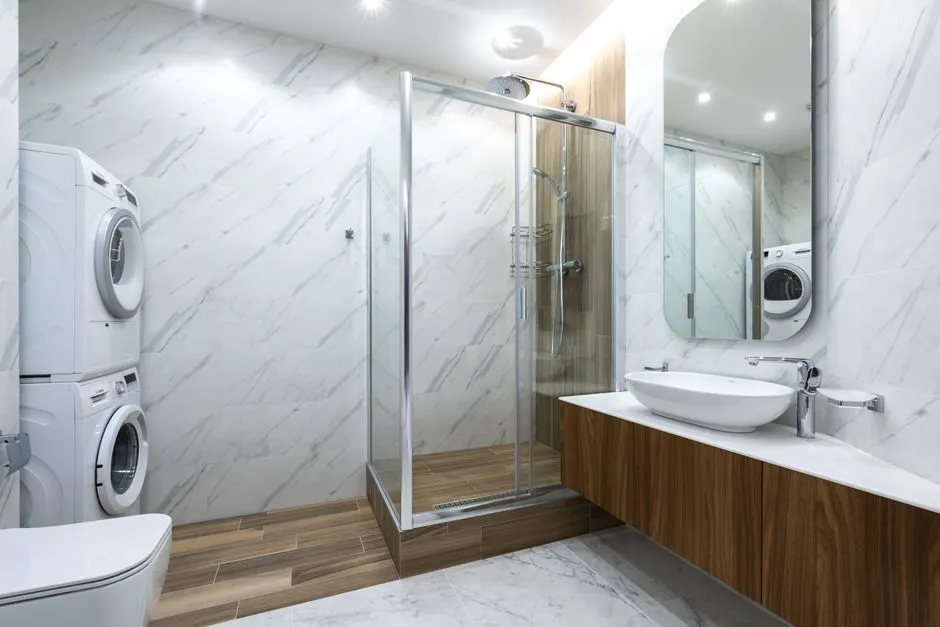
Residential Washer Repair for Kalama Homes
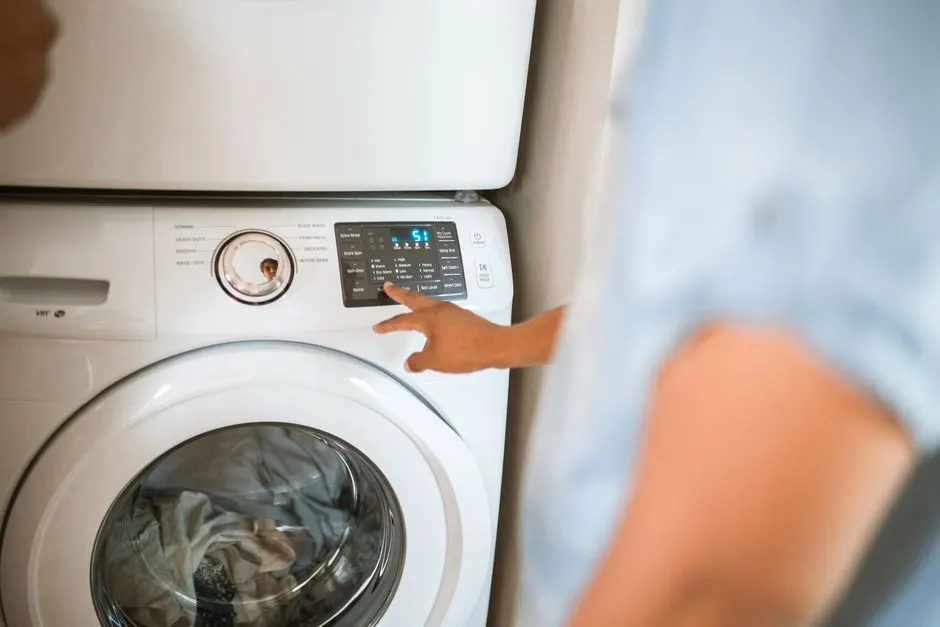
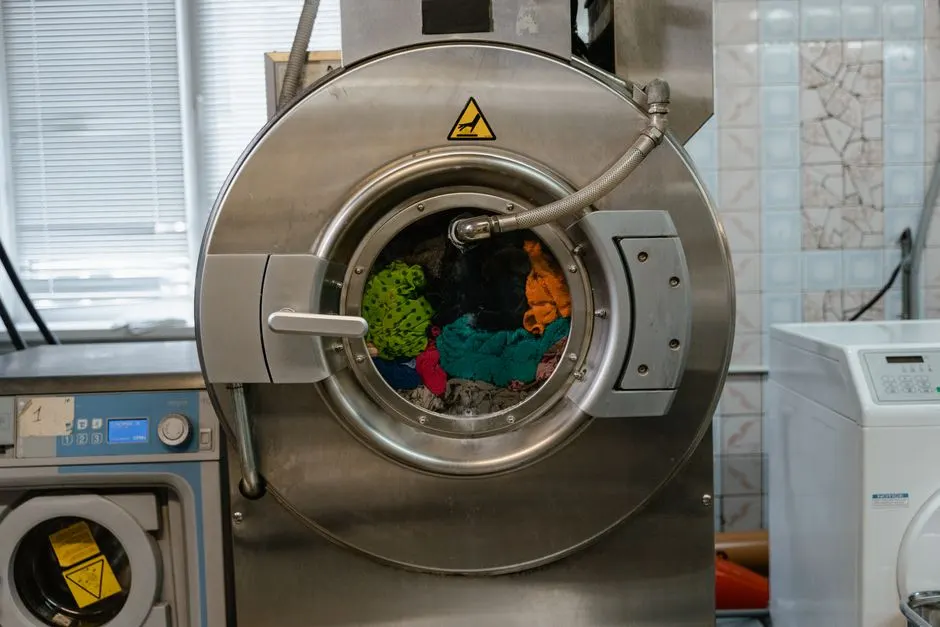
Residential washer repair in Kalama helps keep household laundry on schedule when a machine stops draining, leaks onto the floor, or refuses to spin. The housing mix includes established homes and newer residences, with washers placed in garages, utility rooms, closets, and other spaces where clearance differs. We ask how the fault started and whether it appears during fill, wash, or spin, then inspect the appliance and visible connections. For a front-loader, we check the door seal and drainage; for a top-loader, we check the lid lock, fill, balance, and spin behavior. If a household depends on one washer for uniforms, towels, and everyday clothes, we focus on the fault affecting use first. We can also install or replace a unit and verify its fill, drain, and level before the job is done.
- Home washer fault diagnosis — We inspect the washer in your Kalama home and trace the symptom through the cycle rather than guessing from one noise or code. We check relevant connections and components, explain the fault, and test the function that failed so you know whether the machine is ready for regular use.
- Residential leak containment — If your Kalama washer leaks, we help stop the cycle, locate the source, and prevent more water from reaching nearby belongings. We inspect the door seal, hoses, and other relevant areas, complete the repair, and run a controlled test before returning the laundry area to normal use.
- Washer installation and setup — We set up a replacement washer in Kalama by checking the available space, leveling the unit, and connecting its supply and drain hoses. A test run confirms that it fills and drains without leaking. Tell us about stairs, narrow doors, or a tight closet when arranging the installation.
- Maintenance for household washers — Our maintenance visit checks accessible hoses, machine level, drainage behavior, and signs of residue or vibration. For Kalama households, we also discuss proper detergent use and routine gasket drying where relevant. This is a practical check, not a guarantee that a future component will never fail.